
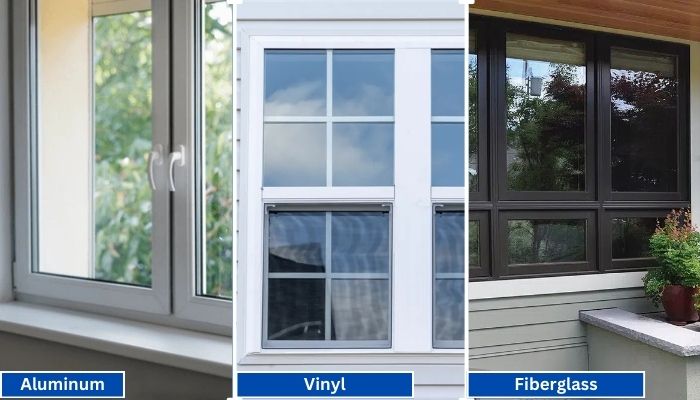
Vinyl generally has the shortest lead times because it is widely produced in standard configurations. Fiberglass is mid-range, especially for factory-painted colors.
Read More
PROUDLY CANADIAN COMPANY OWNED & OPERATED IN TORONTO SINCE 1989!
Vinyl generally has the shortest lead times because it is widely produced in standard configurations. Fiberglass is mid-range, especially for factory-painted colors.
Read More
Vinyl windows have become the go-to choice for homeowners in Toronto, thanks to their durability, energy efficiency, and low maintenance requirements. Whether you're upgrading your home for better insulation or enhancing
Read More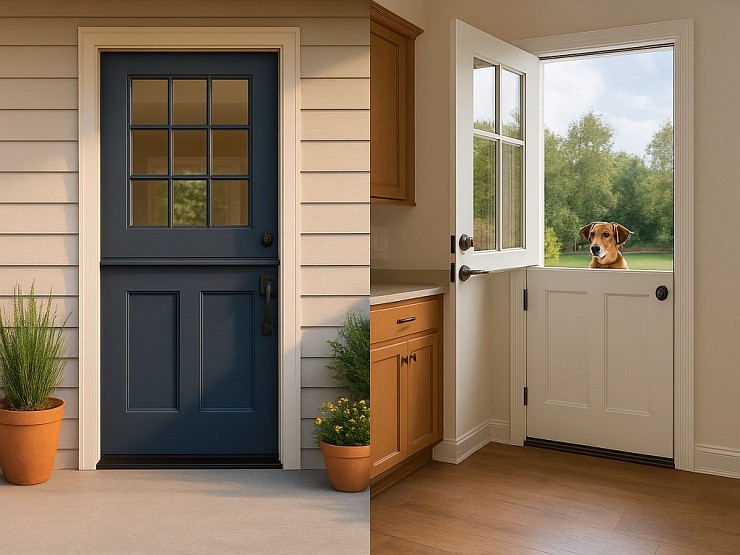
Thinking about changing your front door? A fiberglass Dutch door might have caught your eye. It’s not just a door. It’s part style statement, part smart functionality.
Read More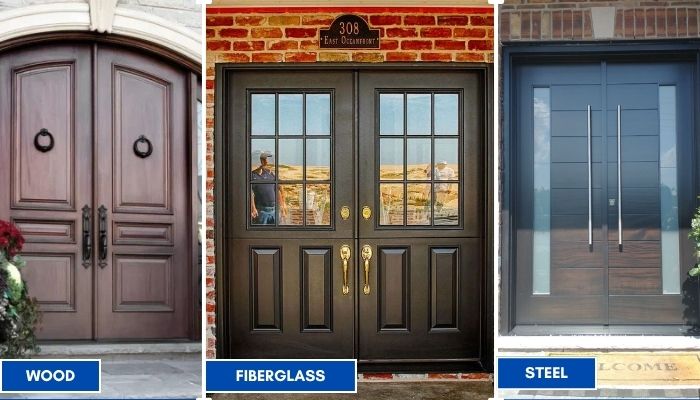
Thinking about replacing your front doors? Double doors are a bold upgrade. They look great, let in more light, and make moving big stuff easier. But the material you choose makes all the difference; especially here in Toronto.
Read More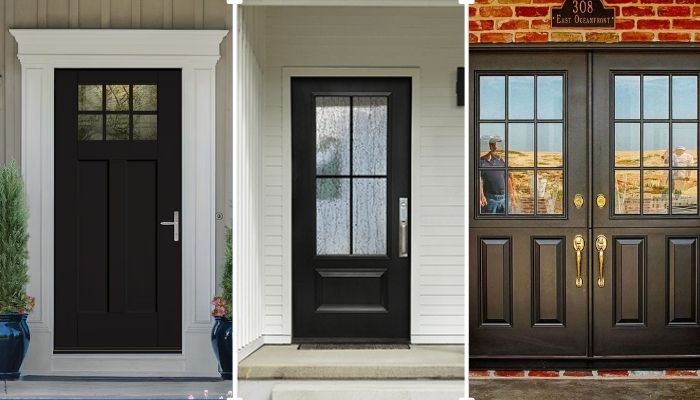
Thinking of giving your home that cozy, farmhouse charm? Let’s talk doors. Specifically, the fiberglass front doors in farmhouse style. You get the rustic look, without the rot, warping, or constant upkeep that comes with wood.
Read More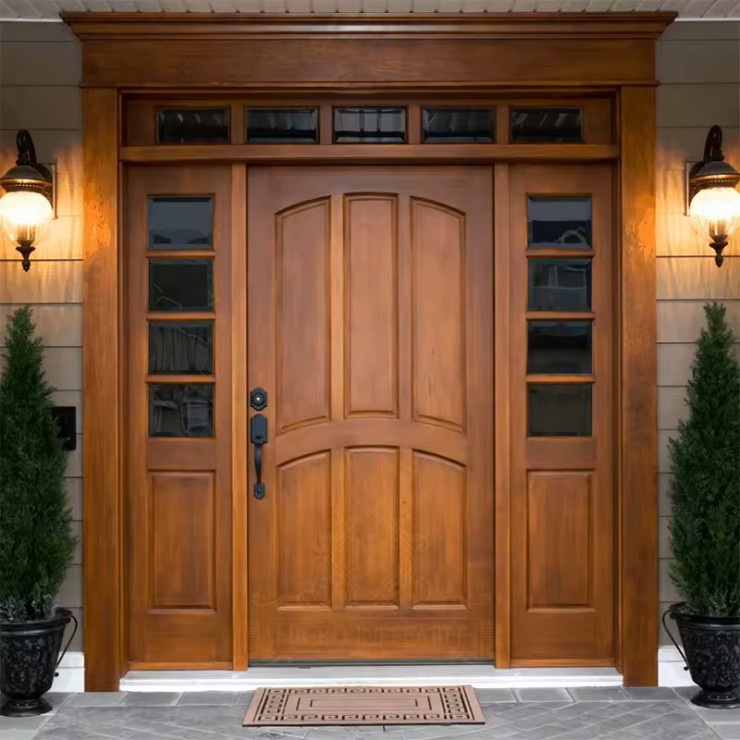
You want something that looks great, lasts long, and doesn’t stress you out with maintenance. You’re not alone. That’s exactly why more and more Toronto homeowners are choosing...
Read More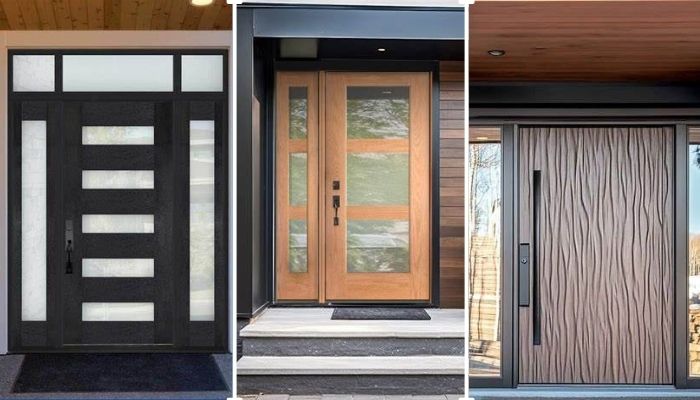
Thinking about replacing your front door? Let’s talk fiberglass. It's one of the smartest upgrades you can make, especially if you're living in Toronto. Whether your current door is drafty, outdated, or just plain boring.
Read More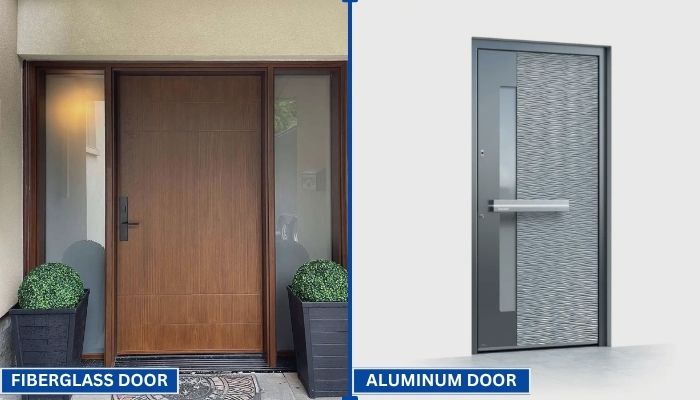
Your front door does more than just open and close. It protects your home, adds curb appeal, and helps control indoor temperature. That’s why picking the right door material matters.
Read More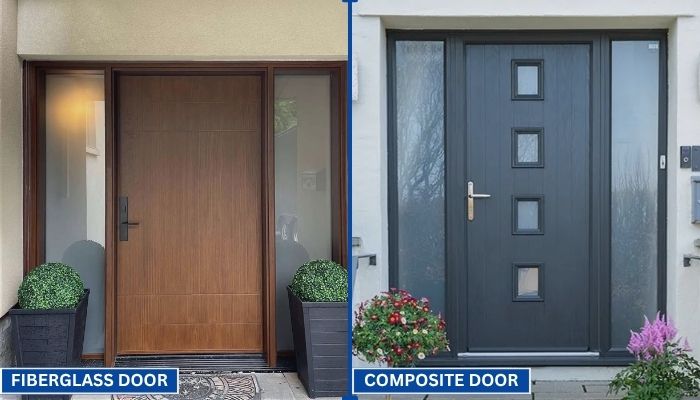
Choosing the right door can be confusing. You want something that looks good, lasts long, and keeps your home secure. Two of the most popular options today are fiberglass and composite doors.
Read More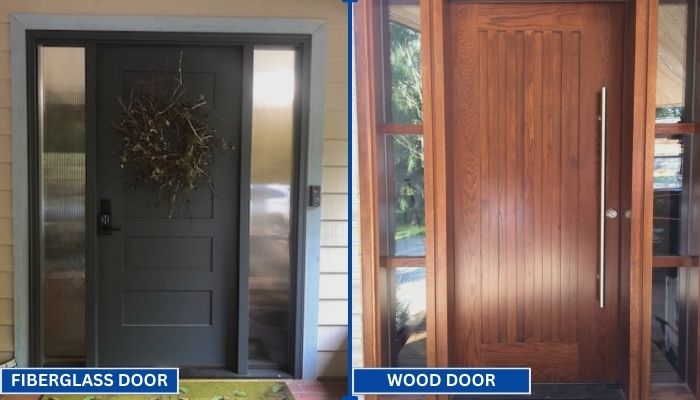
Replacing your front door is a big decision. Wood and fiberglass are two of the most popular materials for entry doors. Each has its own strengths in terms of style, durability, and maintenance. To help you choose the right one for your home, we have to go through a clear comparison.
Read MoreGlobal buyers often view steel entry doors as more than a simple building component. They want security, durability, energy efficiency, and a reliable appearance. These demands become sharper across different climates, building types, and supply chains. A coastal villa needs corrosion protection. A commercial entrance needs stronger hardware and frequent-use performance. A cold warehouse needs better thermal control.
Architect Louis Kahn once said, “The entrance door is a place of mystery.” His observation still matters. A steel entry door creates the first physical impression of a property. It also controls movement, light, sound, and safety. Modern steel systems can include galvanized cores, insulated panels, thermal breaks, multi-point locks, and powder-coated finishes. However, specifications alone do not guarantee performance. Installation quality matters greatly. So does honest testing.
Buyers should examine fire ratings, wind resistance, water management, U-values, warranty terms, and available replacement parts. Standards may differ between countries. A supplier who explains these differences earns more trust than one who promises everything. Certification documents should be current and traceable. Product samples should reveal weld quality, frame alignment, gasket fit, and finish consistency.
Small details matter.
Steel entry doors are strong, but they are not perfect. Poor drainage can encourage corrosion. Incorrect measurements can create costly gaps. Aggressive finishes may also disappoint after years of sunlight. Experienced manufacturers reduce these risks through factory inspection, clear drawings, and practical installation guidance. For global buyers, the best choice is rarely the cheapest door. It is the door that matches the project, climate, code requirements, and maintenance reality. That decision requires evidence, not impressive claims.
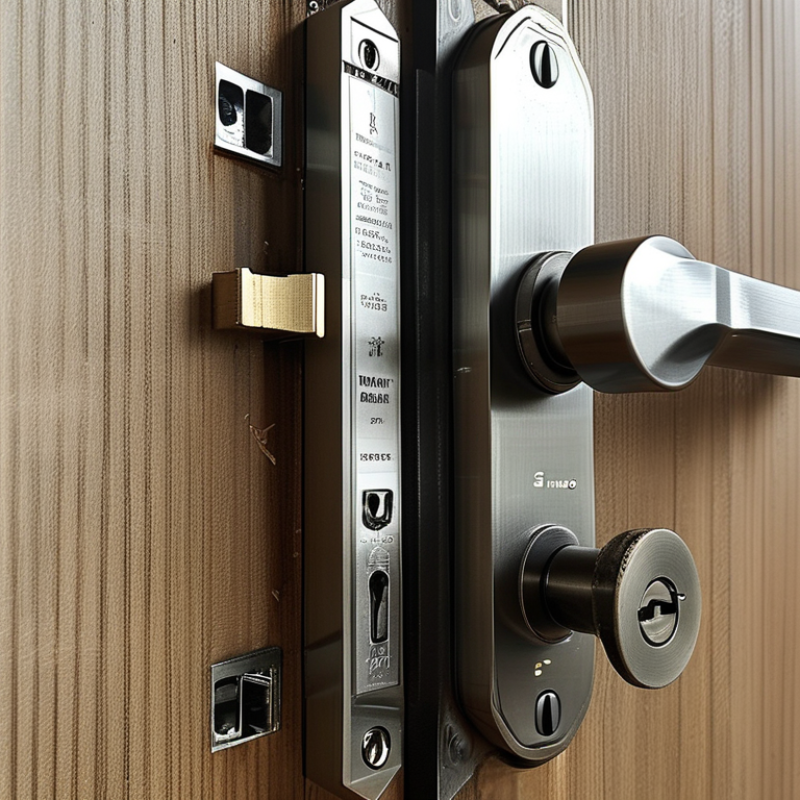
Steel entry doors are exterior doors made with formed steel skins around a reinforced core. They are chosen for strength, dimensional stability, fire-rated options, and relatively simple maintenance. A typical door includes steel faces, an insulated core, edge reinforcement, hinges, locks, and a frame. It starts with steel. Manufacturers cut and shape galvanized or cold-rolled sheets using presses or forming equipment. The skins are then joined to a frame through welding, bonding, or mechanical fastening.
The core may contain polyurethane, mineral wool, or another approved insulating material. Its role is practical: improve thermal performance, reduce noise, and limit panel flexing. Frames are formed separately and checked for squareness before hardware is fitted. Surface preparation matters. Factories remove oil, treat corrosion-prone areas, apply primer when specified, and add a durable finish. Powder coating is common, but coating thickness and curing should be verified rather than assumed. Seals are installed around the perimeter to reduce drafts and water entry.
For global buyers, manufacturing records should identify steel thickness, core type, test standards, and installation tolerances. A heavy door is not automatically a better door. Poor alignment can cause rubbing, weak sealing, or premature hardware wear. In real projects, transport damage and local climate also affect performance. No door is perfect. Clear specifications, sample inspections, and careful installation make quality easier to judge. One detail is often overlooked: the wall opening must suit the frame, not only the door leaf.
| Data Dimension | Typical Information | Why It Matters to Global Buyers |
|---|---|---|
| Product Definition | A steel entry door is an exterior door made with formed or welded steel skins around a structural core, commonly used for residential and light-commercial entrances. | Provides a strong, stable entrance system suitable for different climates, building types, and security requirements. |
| Common Steel Skin Thickness | Approximately 0.6–1.5 mm for many residential and light-commercial door applications; heavier constructions may use thicker steel. | Thickness affects dent resistance, weight, handling, hardware support, and overall cost. The final specification should match the intended use. |
| Core Materials | Common cores include polyurethane foam, polystyrene foam, and mineral wool. Some designs use honeycomb or other engineered infill materials. | The core influences thermal insulation, sound reduction, fire performance, door weight, and production cost. |
| Typical Manufacturing Process | Steel coil preparation → cutting and stamping → skin forming → frame and reinforcement fabrication → core insertion → bonding or welding → surface treatment → coating → hardware installation → inspection and packaging. | A controlled process helps maintain dimensional accuracy, consistent finish quality, proper alignment, and reliable operation. |
| Corrosion Protection | Protection may include galvanized or galvannealed steel, cleaning and pretreatment, primer, and a baked or powder-based finish. | Coating quality is especially important in coastal, humid, industrial, and high-rainfall environments. |
| Thermal Performance | Insulated steel doors generally provide better thermal performance than uninsulated metal doors. Performance depends on the core, edge construction, glazing, frame, weatherstripping, and installation. | The complete door assembly—not only the door slab—should be evaluated for energy efficiency in the target market. |
| Weather Sealing | Typical systems use perimeter weatherstripping, a threshold, adjustable seals, and a bottom sweep or door shoe. | Effective sealing helps reduce air leakage, water penetration, drafts, dust entry, and premature interior deterioration. |
| Security Features | Possible features include reinforced lock areas, multi-point locking, heavy-duty hinges, laminated or tempered glazing, and reinforced frames. | Security performance depends on the entire installed system, including the slab, frame, hinges, locks, glass, wall connection, and installation quality. |
| Fire-Rated Options | Some steel door assemblies are tested and labeled for fire resistance, commonly in ratings such as 20, 45, 60, or 90 minutes, depending on the tested assembly and local code. | Fire ratings are not automatic. Buyers should request documentation applicable to the exact door, frame, hardware, glazing, and installation configuration. |
| Standard Door Configurations | Common configurations include single doors, double doors, doors with sidelites, and doors with transoms. Swing direction may be inswing or outswing. | Configuration affects shipping dimensions, egress, accessibility, weather exposure, installation space, and local building-code compliance. |
| Typical Surface Finishes | Available finishes may include smooth, wood-grain embossed, textured, painted, or powder-coated surfaces in a broad range of colors. | Finish selection affects appearance, maintenance frequency, UV exposure resistance, and compatibility with local architectural styles. |
| Dimensional Accuracy | Important checks include slab width and height, frame opening, squareness, reveal consistency, hinge position, lock position, and threshold alignment. | Accurate dimensions reduce installation problems, air leakage, hardware failures, and costly site modifications. |
| Maintenance Requirements | Routine care usually includes cleaning the surface, checking weatherstripping, lubricating hinges and locks, inspecting drainage, and repairing coating damage. | Regular maintenance helps preserve appearance, smooth operation, weather resistance, and service life. |
| Sustainability Considerations | Steel is widely recyclable, and insulated door designs can reduce heat transfer. Environmental performance also depends on coatings, core materials, transport, durability, and end-of-life recycling. | Buyers can compare recycled content, environmental declarations, packaging, expected service life, and local recycling systems. |
| Key Buyer Checks Before Ordering | Confirm dimensions, opening direction, core type, steel thickness, frame material, coating system, glazing, hardware, performance tests, packaging, installation instructions, and applicable local standards. | A complete technical specification prevents mismatched products and supports consistent quality across international projects. |
Note: Values and features are typical industry ranges or options. Actual performance must be verified through the technical documentation and test reports for the specific door assembly.
We’ll Come To You!
Quality New Windows & Doors. Competitively Priced!
Christine R.
Please, enter a valid value