
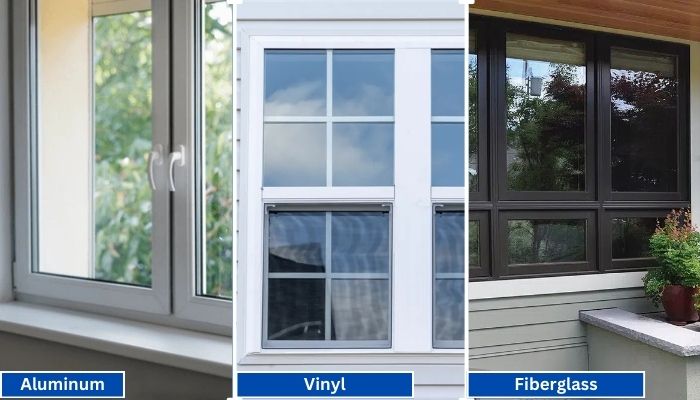
Vinyl generally has the shortest lead times because it is widely produced in standard configurations. Fiberglass is mid-range, especially for factory-painted colors.
Read More
PROUDLY CANADIAN COMPANY OWNED & OPERATED IN TORONTO SINCE 1989!
Vinyl generally has the shortest lead times because it is widely produced in standard configurations. Fiberglass is mid-range, especially for factory-painted colors.
Read More
Vinyl windows have become the go-to choice for homeowners in Toronto, thanks to their durability, energy efficiency, and low maintenance requirements. Whether you're upgrading your home for better insulation or enhancing
Read More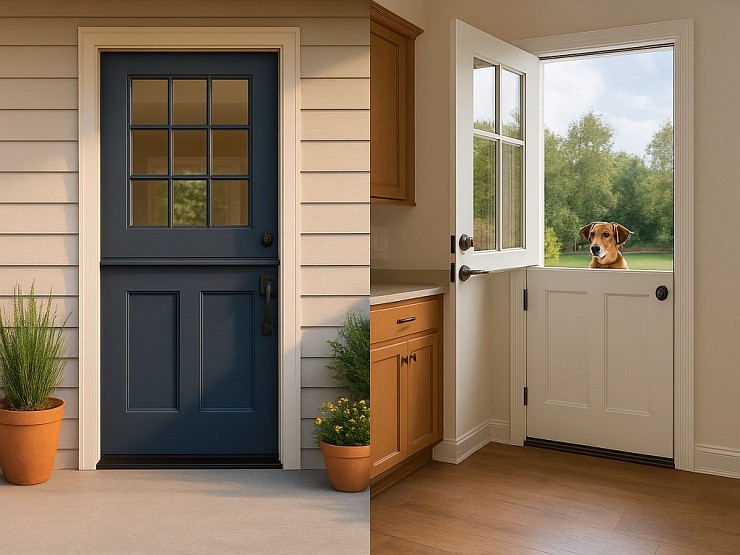
Thinking about changing your front door? A fiberglass Dutch door might have caught your eye. It’s not just a door. It’s part style statement, part smart functionality.
Read More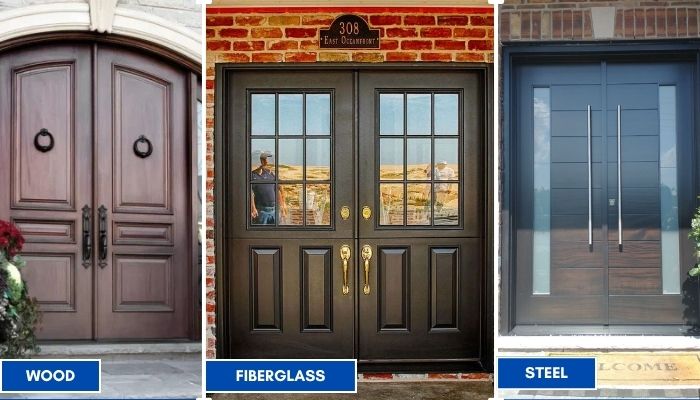
Thinking about replacing your front doors? Double doors are a bold upgrade. They look great, let in more light, and make moving big stuff easier. But the material you choose makes all the difference; especially here in Toronto.
Read More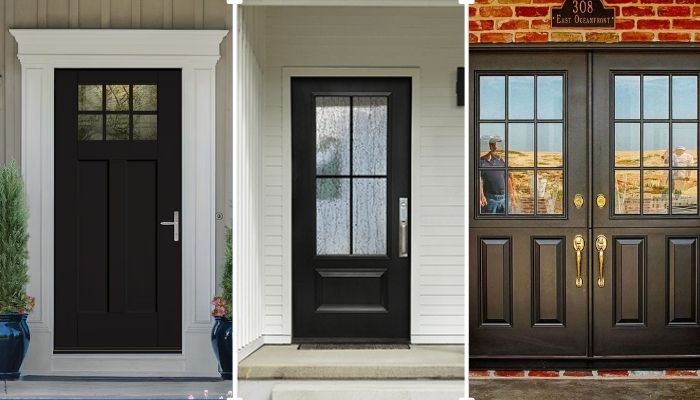
Thinking of giving your home that cozy, farmhouse charm? Let’s talk doors. Specifically, the fiberglass front doors in farmhouse style. You get the rustic look, without the rot, warping, or constant upkeep that comes with wood.
Read More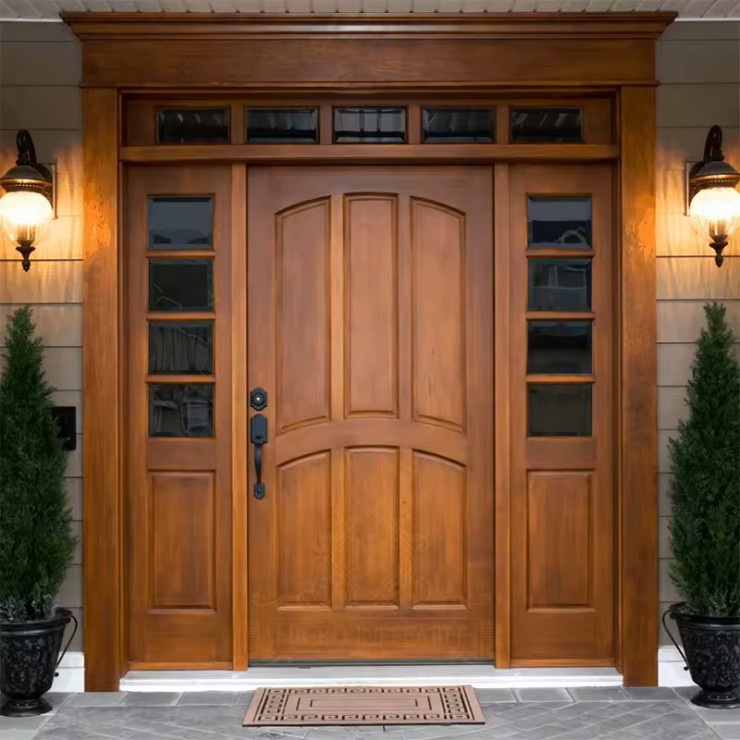
You want something that looks great, lasts long, and doesn’t stress you out with maintenance. You’re not alone. That’s exactly why more and more Toronto homeowners are choosing...
Read More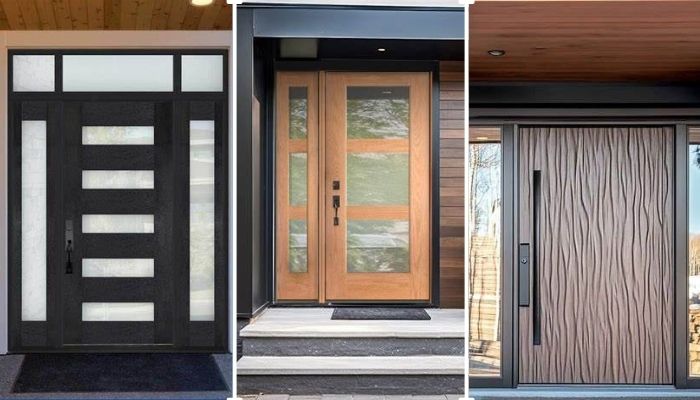
Thinking about replacing your front door? Let’s talk fiberglass. It's one of the smartest upgrades you can make, especially if you're living in Toronto. Whether your current door is drafty, outdated, or just plain boring.
Read More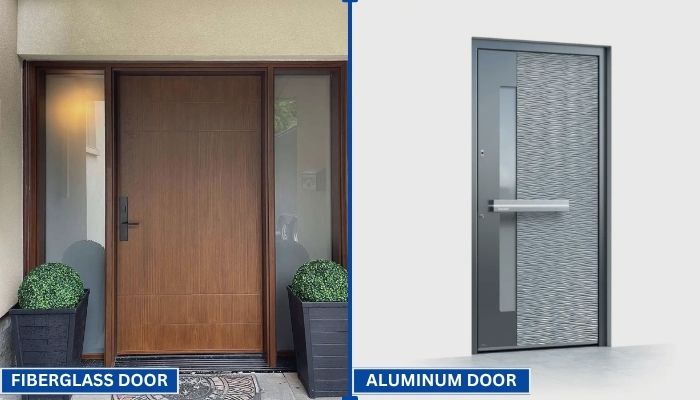
Your front door does more than just open and close. It protects your home, adds curb appeal, and helps control indoor temperature. That’s why picking the right door material matters.
Read More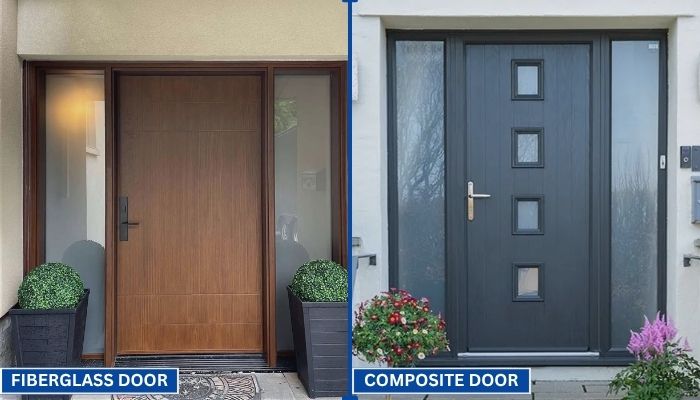
Choosing the right door can be confusing. You want something that looks good, lasts long, and keeps your home secure. Two of the most popular options today are fiberglass and composite doors.
Read More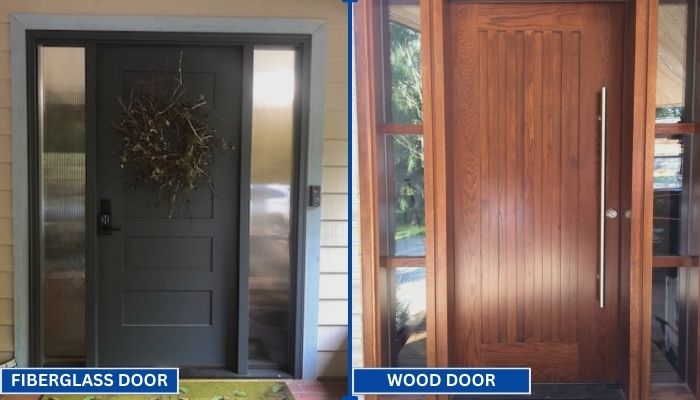
Replacing your front door is a big decision. Wood and fiberglass are two of the most popular materials for entry doors. Each has its own strengths in terms of style, durability, and maintenance. To help you choose the right one for your home, we have to go through a clear comparison.
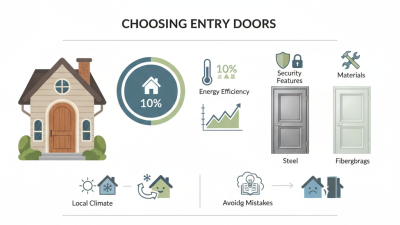
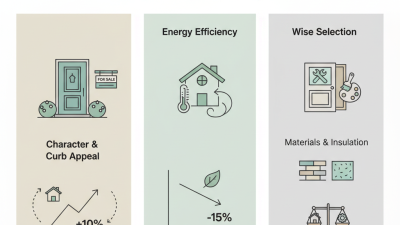
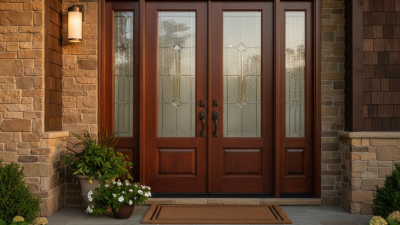
Read MoreFor global buyers, front entry doors are more than attractive openings. They shape security, comfort, energy use, and a property’s first impression. A well-chosen door can make a house feel welcoming before anyone crosses the threshold. It can also reduce drafts when its frame, seals, and installation work together properly.
Climate matters greatly. A door designed for a dry inland region may perform poorly near salt air, heavy rain, or extreme cold. Buyers should examine material quality, thermal performance, water resistance, hardware strength, and maintenance needs. Wood offers warmth and character, while steel and fiberglass often provide practical durability. However, product labels alone cannot guarantee performance. Independent testing, clear specifications, and experienced installation teams deserve close attention.
Real purchasing decisions also involve dimensions, delivery protection, replacement parts, and after-sales support. A beautiful door that arrives scratched or cannot be repaired becomes an expensive disappointment. Buyers should request accurate drawings, finish samples, warranty terms, and installation guidance before placing an order. Regional building requirements should also be checked with qualified local professionals, since standards differ across markets.
Appearance can mislead.
In my view, the strongest buying process balances design ambition with everyday evidence. Look closely at hinges, thresholds, weatherstripping, and locking points. Ask how the door performs after years of opening, rain, sunlight, and temperature changes. Some decisions may still be imperfect. That is normal. Careful comparison, transparent communication, and realistic expectations help global buyers choose front entry doors that remain reliable beyond the showroom.
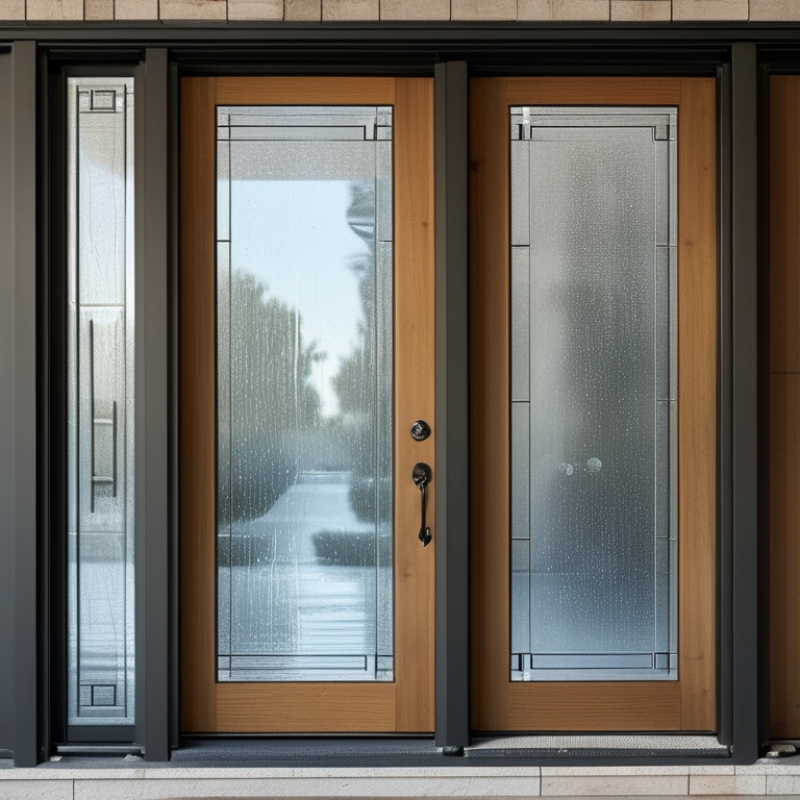
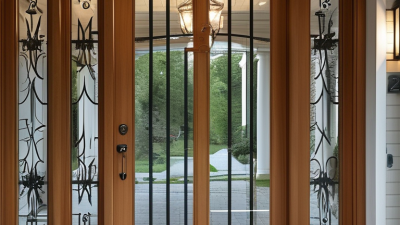
A front entry door does more than open a home. It manages security, weather, and first impressions at the same time. For global buyers, these roles matter because climates, building methods, and daily routines vary widely. A solid door with a reliable lock can discourage unwanted entry, but security depends on the frame, hinges, glass, and installation too. The door alone is not enough.
Weather control is equally practical. In humid coastal areas, poor sealing may invite moisture, drafts, and swelling. In colder regions, insulated cores and compression seals help keep indoor temperatures stable. In hot climates, shade, low-heat glazing, and durable finishes can reduce heat around the entrance. I have seen attractive doors perform poorly because installers ignored drainage or uneven thresholds. That mistake is easy to overlook.
Tips: Check the door’s water resistance, air seal, frame strength, and maintenance needs before choosing a style. Ask whether replacement parts are available locally. Consider how the surface will look after years of sun, rain, dust, or snow. A front door also expresses home identity through color, texture, proportion, and hardware. Subtle details can feel welcoming. Oversized decoration may not. Buyers should balance personal taste with neighborhood character and long-term practicality. No door solves every risk.
We’ll Come To You!
Quality New Windows & Doors. Competitively Priced!
Christine R.
Please, enter a valid value