
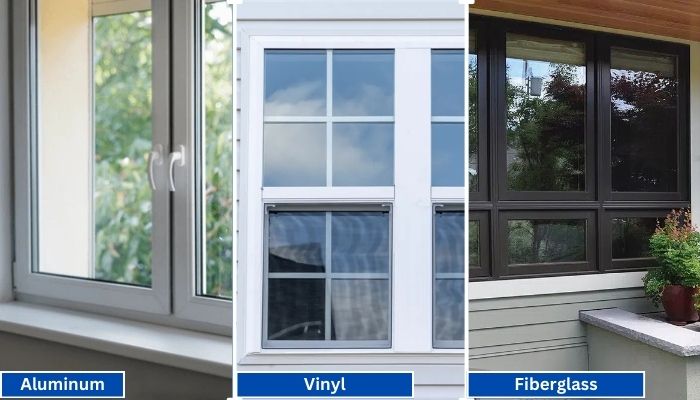
Vinyl generally has the shortest lead times because it is widely produced in standard configurations. Fiberglass is mid-range, especially for factory-painted colors.
Read More
PROUDLY CANADIAN COMPANY OWNED & OPERATED IN TORONTO SINCE 1989!
Vinyl generally has the shortest lead times because it is widely produced in standard configurations. Fiberglass is mid-range, especially for factory-painted colors.
Read More
Vinyl windows have become the go-to choice for homeowners in Toronto, thanks to their durability, energy efficiency, and low maintenance requirements. Whether you're upgrading your home for better insulation or enhancing
Read More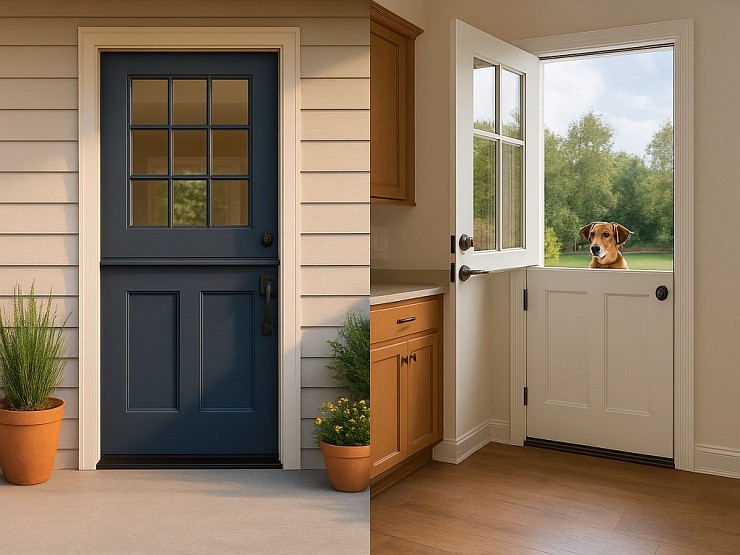
Thinking about changing your front door? A fiberglass Dutch door might have caught your eye. It’s not just a door. It’s part style statement, part smart functionality.
Read More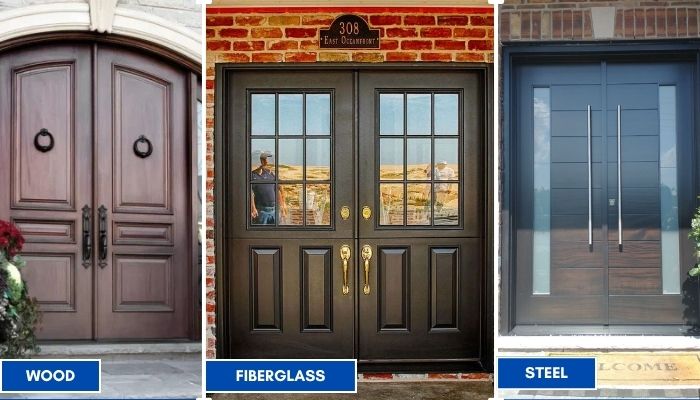
Thinking about replacing your front doors? Double doors are a bold upgrade. They look great, let in more light, and make moving big stuff easier. But the material you choose makes all the difference; especially here in Toronto.
Read More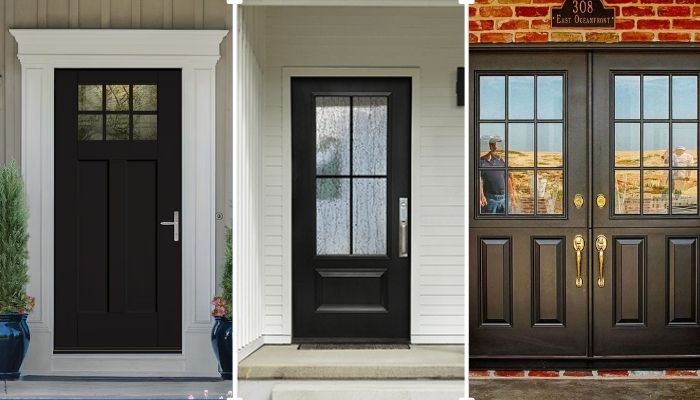
Thinking of giving your home that cozy, farmhouse charm? Let’s talk doors. Specifically, the fiberglass front doors in farmhouse style. You get the rustic look, without the rot, warping, or constant upkeep that comes with wood.
Read More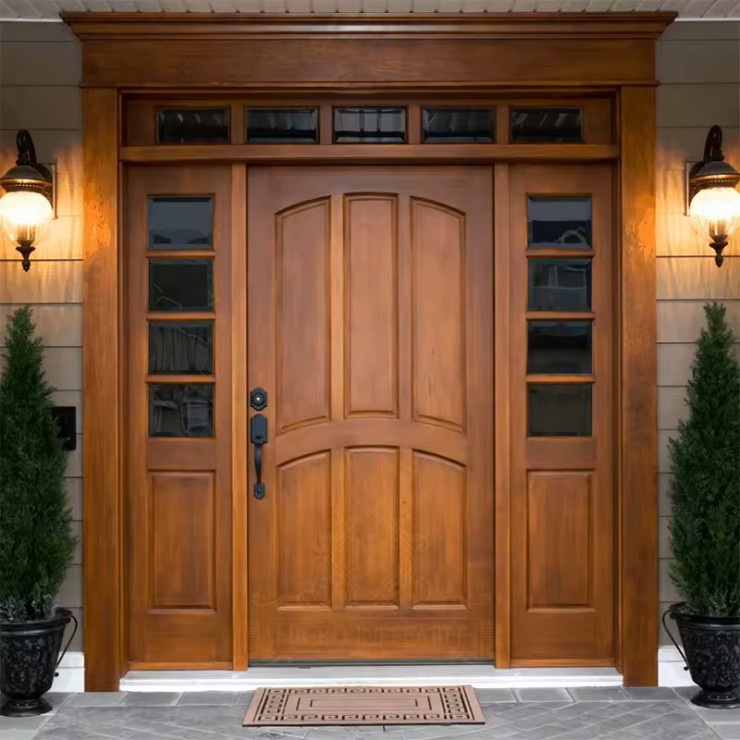
You want something that looks great, lasts long, and doesn’t stress you out with maintenance. You’re not alone. That’s exactly why more and more Toronto homeowners are choosing...
Read More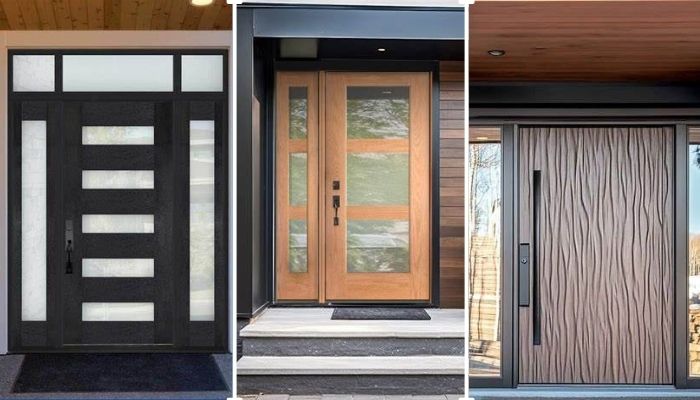
Thinking about replacing your front door? Let’s talk fiberglass. It's one of the smartest upgrades you can make, especially if you're living in Toronto. Whether your current door is drafty, outdated, or just plain boring.
Read More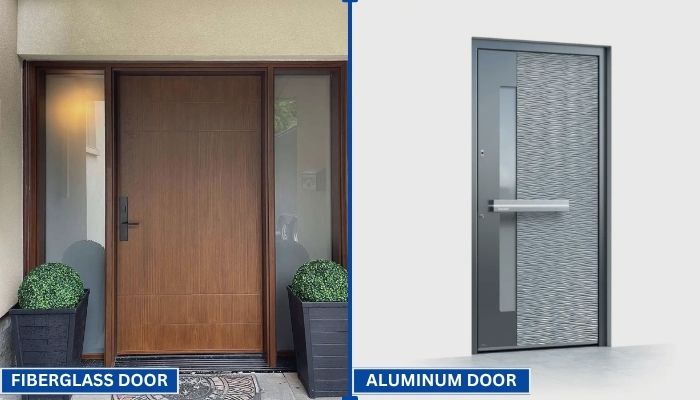
Your front door does more than just open and close. It protects your home, adds curb appeal, and helps control indoor temperature. That’s why picking the right door material matters.
Read More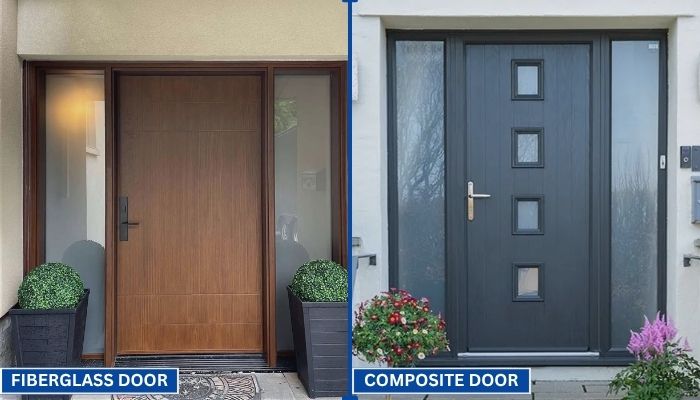
Choosing the right door can be confusing. You want something that looks good, lasts long, and keeps your home secure. Two of the most popular options today are fiberglass and composite doors.
Read More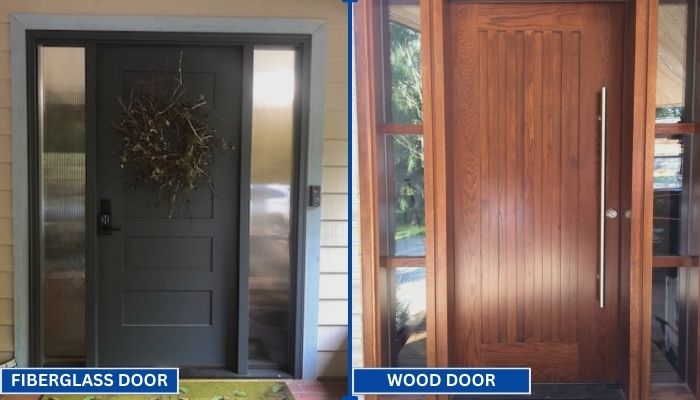
Replacing your front door is a big decision. Wood and fiberglass are two of the most popular materials for entry doors. Each has its own strengths in terms of style, durability, and maintenance. To help you choose the right one for your home, we have to go through a clear comparison.
Read MoreChoosing the right quartz glass tube begins with the process, not the product photograph. In semiconductor, solar, laboratory, and lighting equipment, the tube may face extreme heat, ultraviolet radiation, corrosive gases, or repeated thermal cycling. Grand View Research’s 2024 fused silica market analysis identifies semiconductor and solar manufacturing as major demand sectors. However, that market data covers fused silica broadly, not every quartz glass tube specification. This distinction matters.
Glass-science expert James E. Shelby emphasizes that composition, structure, and thermal history govern glass performance. His point is highly practical. Two transparent tubes can look identical. Their hydroxyl content, impurity level, annealing quality, and thermal-shock resistance may differ sharply. Check the details. A reliable selection process should examine purity grade, outside diameter, wall thickness, length tolerance, surface finish, operating temperature, and chemical compatibility. For ultraviolet applications, transmission data at the actual wavelength is essential. Visible clarity alone proves very little.
Reports from MarketsandMarkets and Fortune Business Insights also show continuing demand for high-performance glass materials in electronics and renewable-energy manufacturing. Yet broad growth forecasts cannot choose a tube for a real furnace. That decision needs test records, dimensional drawings, batch traceability, and supplier experience. A cheaper tube may reduce the purchase order while increasing breakage, contamination, or downtime. I have seen this assumption fail in practice. The “best” quartz glass tube is not always the purest or most expensive option. It is the one that matches the process atmosphere, thermal profile, geometry, and maintenance plan. Any recommendation without those details deserves a second look.

Quartz glass tubes are valued for high-temperature stability, chemical resistance, and excellent optical transmission. Their performance depends on more than diameter and length. Check the intended temperature, heating cycle, atmosphere, and exposure to ultraviolet or infrared light. A tube used inside a furnace may need different properties from one used in an analytical instrument.
Material purity affects durability and optical clarity. Low impurity levels help reduce contamination during heating. Hydroxyl content also matters, especially in high-temperature or ultraviolet applications. Compare the tube’s transmission range, softening temperature, thermal expansion, and wall thickness. Surface finish deserves attention too. Small scratches can become failure points during repeated heating. A perfect specification sheet can still mislead if the working conditions are vague.
Tips: Measure the assembly before ordering. Confirm the inner diameter, outer diameter, tolerance, and usable length. Ask for test data when purity or transmission is critical. Inspect the tube under bright light for chips, haze, or uneven walls. Do not choose the thickest tube automatically; excessive thickness can slow heat transfer and increase thermal stress. This is often overlooked. Finally, consider cleaning methods and replacement frequency. The cheapest option may cost more when fragile parts interrupt production.
We’ll Come To You!
Quality New Windows & Doors. Competitively Priced!
Christine R.
Please, enter a valid value