
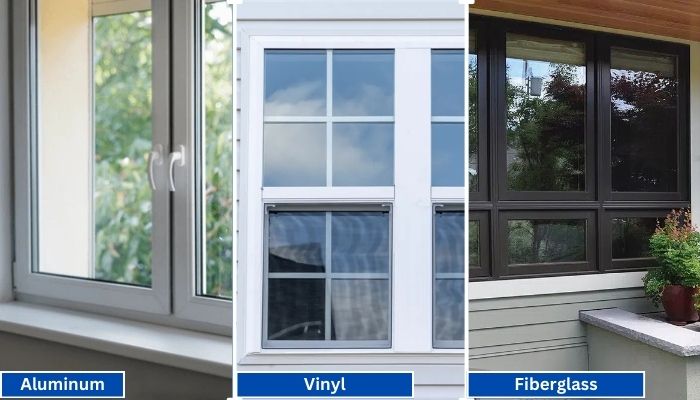
Vinyl generally has the shortest lead times because it is widely produced in standard configurations. Fiberglass is mid-range, especially for factory-painted colors.
Read More
PROUDLY CANADIAN COMPANY OWNED & OPERATED IN TORONTO SINCE 1989!
Vinyl generally has the shortest lead times because it is widely produced in standard configurations. Fiberglass is mid-range, especially for factory-painted colors.
Read More
Vinyl windows have become the go-to choice for homeowners in Toronto, thanks to their durability, energy efficiency, and low maintenance requirements. Whether you're upgrading your home for better insulation or enhancing
Read More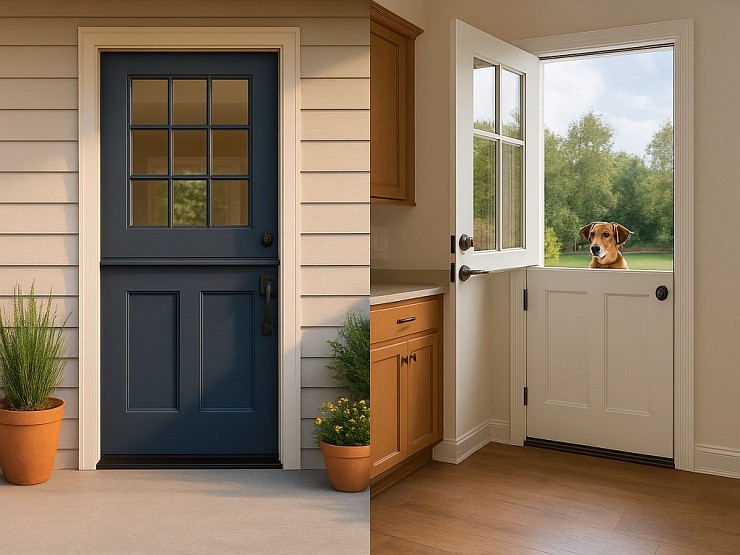
Thinking about changing your front door? A fiberglass Dutch door might have caught your eye. It’s not just a door. It’s part style statement, part smart functionality.
Read More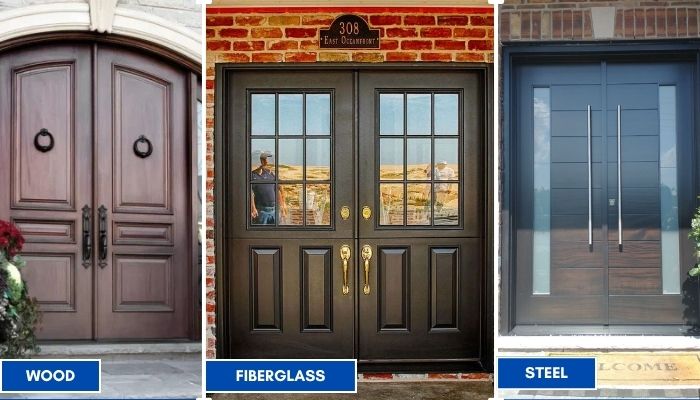
Thinking about replacing your front doors? Double doors are a bold upgrade. They look great, let in more light, and make moving big stuff easier. But the material you choose makes all the difference; especially here in Toronto.
Read More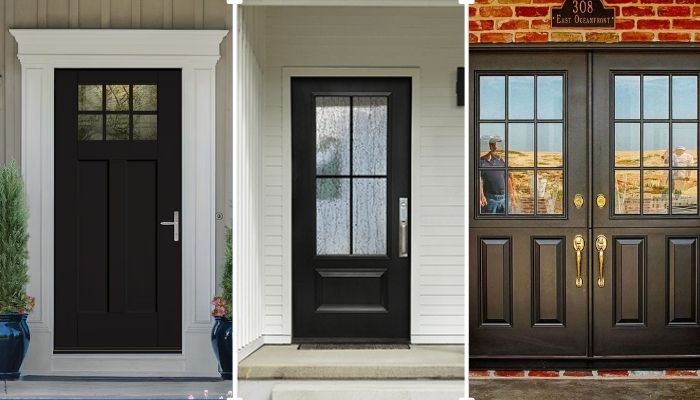
Thinking of giving your home that cozy, farmhouse charm? Let’s talk doors. Specifically, the fiberglass front doors in farmhouse style. You get the rustic look, without the rot, warping, or constant upkeep that comes with wood.
Read More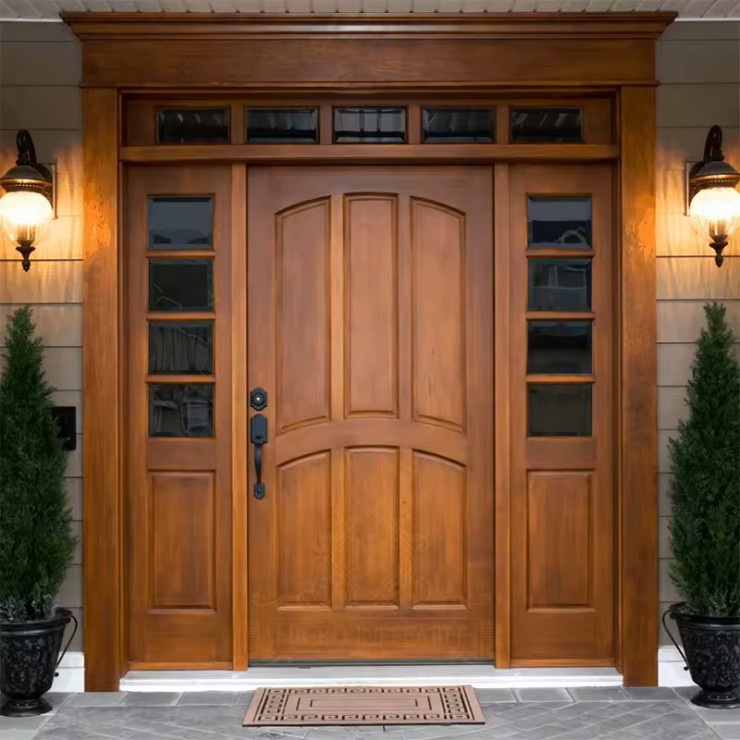
You want something that looks great, lasts long, and doesn’t stress you out with maintenance. You’re not alone. That’s exactly why more and more Toronto homeowners are choosing...
Read More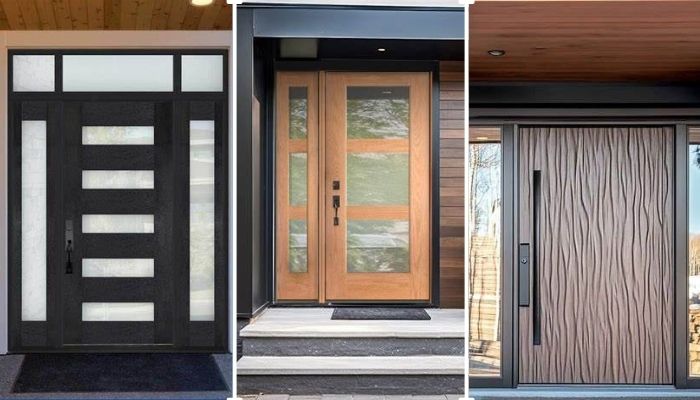
Thinking about replacing your front door? Let’s talk fiberglass. It's one of the smartest upgrades you can make, especially if you're living in Toronto. Whether your current door is drafty, outdated, or just plain boring.
Read More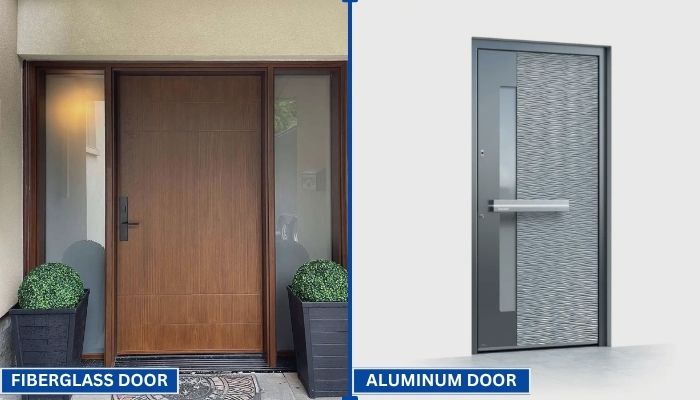
Your front door does more than just open and close. It protects your home, adds curb appeal, and helps control indoor temperature. That’s why picking the right door material matters.
Read More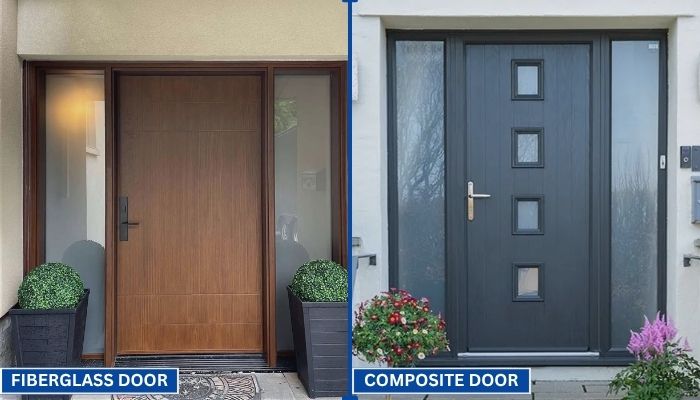
Choosing the right door can be confusing. You want something that looks good, lasts long, and keeps your home secure. Two of the most popular options today are fiberglass and composite doors.
Read More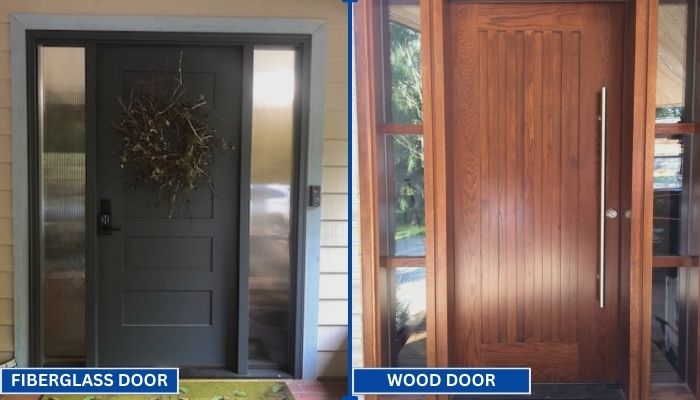
Replacing your front door is a big decision. Wood and fiberglass are two of the most popular materials for entry doors. Each has its own strengths in terms of style, durability, and maintenance. To help you choose the right one for your home, we have to go through a clear comparison.
Read MoreChoosing the right Work Wear for global sourcing is not simply a fabric or price decision. It affects worker comfort, movement, durability, brand reputation, and purchasing risk. A jacket may look strong in a sample room, yet fail after repeated washing, harsh light, or daily kneeling. Small details matter. Cuff stitching, pocket depth, zipper strength, and fabric recovery can change performance on the job. Good sourcing begins with the real working environment, not a polished product photograph.
Experienced buyers study tasks, climate, shift length, laundering methods, and required protective features before requesting quotations. They compare fabric weight, breathability, shrinkage, colorfastness, seam construction, and size consistency. Supplier capability also deserves close attention. Factory audits, sample approval, production records, and independent testing can support more dependable decisions. Requirements differ across countries and industries, so buyers should confirm current standards with qualified local professionals and recognized testing bodies. Documentation should be clear and traceable.
Price still matters. It should not become the only measure. A low unit cost can hide replacement expenses, inconsistent sizing, or delayed deliveries. No checklist is perfect. Even careful teams may overlook heat buildup under a safety vest or discomfort around a reinforced knee. That is why field trials, wearer feedback, and pre-shipment inspections remain valuable. This guide explains how to balance performance, compliance, supplier reliability, and total cost when sourcing Work Wear across borders. The aim is practical judgment, not easy promises.
How to Choose the Right Work Wear for Global Sourcing?
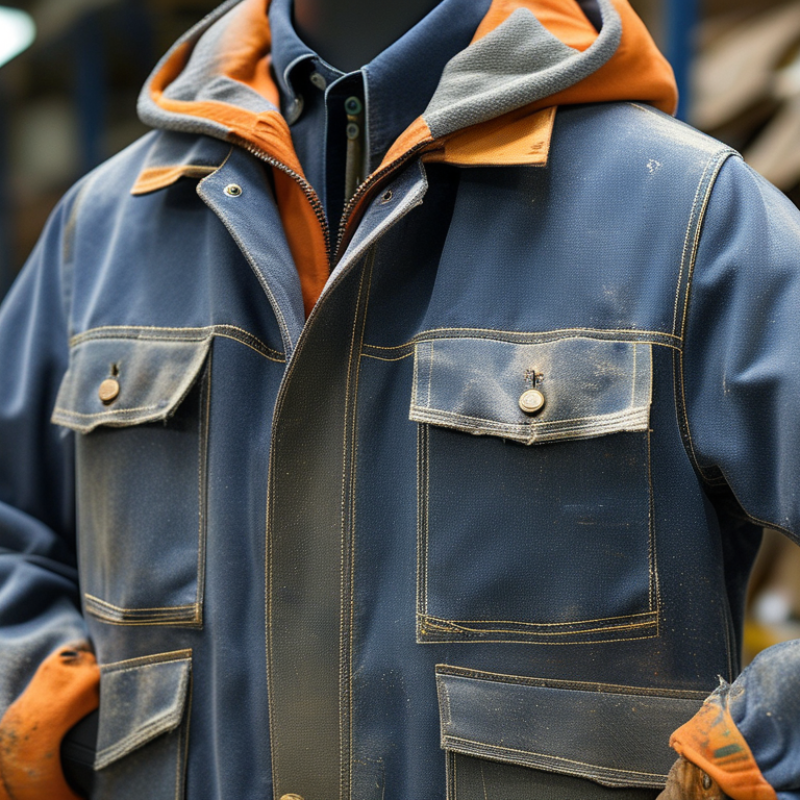
Work wear should begin with the job, not the catalogue. Define each role by hazards, movement, climate, and working hours. A warehouse picker needs stretch panels, reinforced knees, and breathable fabric. A welder needs heat-resistant protection and minimal exposed hardware. Outdoor road crews require high-visibility garments that remain visible in rain and low light.
The ILO estimated 2.93 million work-related deaths and 395 million non-fatal injuries worldwide in 2023. These figures show why vague specifications create real risks. For high-visibility roles, check ISO 20471 requirements, reflective coverage, and color performance after washing. For heat exposure, review ISO 11612 criteria. Chemical work requires material-specific testing, not general claims such as “industrial grade.” Work wear may support safety, but it cannot replace certified personal protective equipment.
Fit testing is often overlooked. It should include bending, climbing, reaching, and wearing gloves or harnesses. A garment that fits a standing worker may restrict movement on a ladder. Small details matter: pocket placement, zipper length, cuff adjustment, and seam strength. BLS recorded 5,283 fatal occupational injuries in the United States during 2023, with transportation among the major risk areas. Sourcing teams should request laboratory reports, wash-test results, and size samples before approval. A weakness remains: laboratory performance may not reflect daily abuse. Field feedback can expose that gap.
We’ll Come To You!
Quality New Windows & Doors. Competitively Priced!
Christine R.
Please, enter a valid value