
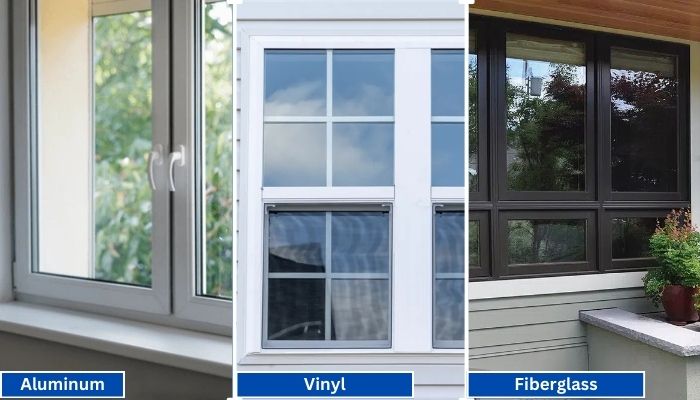
Vinyl generally has the shortest lead times because it is widely produced in standard configurations. Fiberglass is mid-range, especially for factory-painted colors.
Read More
PROUDLY CANADIAN COMPANY OWNED & OPERATED IN TORONTO SINCE 1989!
Vinyl generally has the shortest lead times because it is widely produced in standard configurations. Fiberglass is mid-range, especially for factory-painted colors.
Read More
Vinyl windows have become the go-to choice for homeowners in Toronto, thanks to their durability, energy efficiency, and low maintenance requirements. Whether you're upgrading your home for better insulation or enhancing
Read More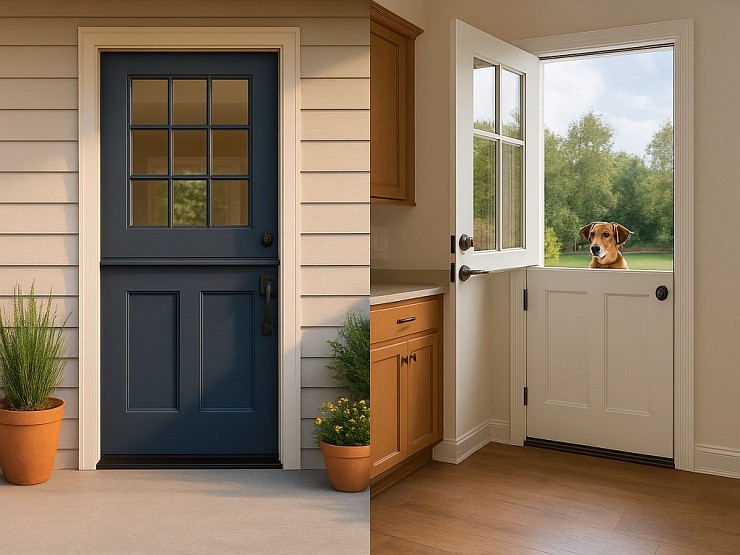
Thinking about changing your front door? A fiberglass Dutch door might have caught your eye. It’s not just a door. It’s part style statement, part smart functionality.
Read More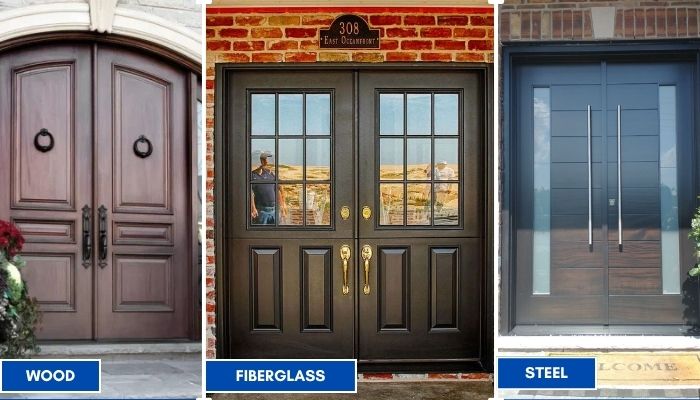
Thinking about replacing your front doors? Double doors are a bold upgrade. They look great, let in more light, and make moving big stuff easier. But the material you choose makes all the difference; especially here in Toronto.
Read More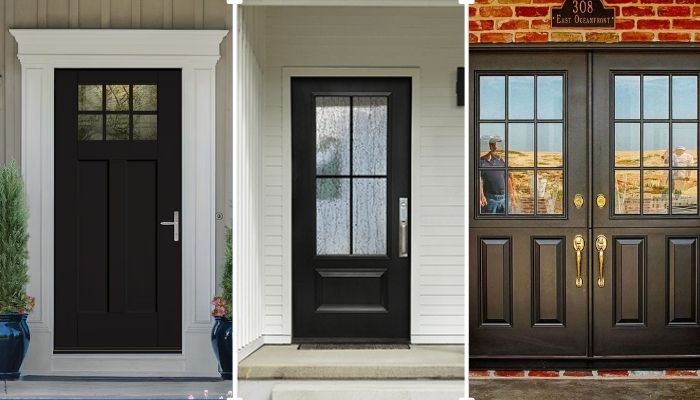
Thinking of giving your home that cozy, farmhouse charm? Let’s talk doors. Specifically, the fiberglass front doors in farmhouse style. You get the rustic look, without the rot, warping, or constant upkeep that comes with wood.
Read More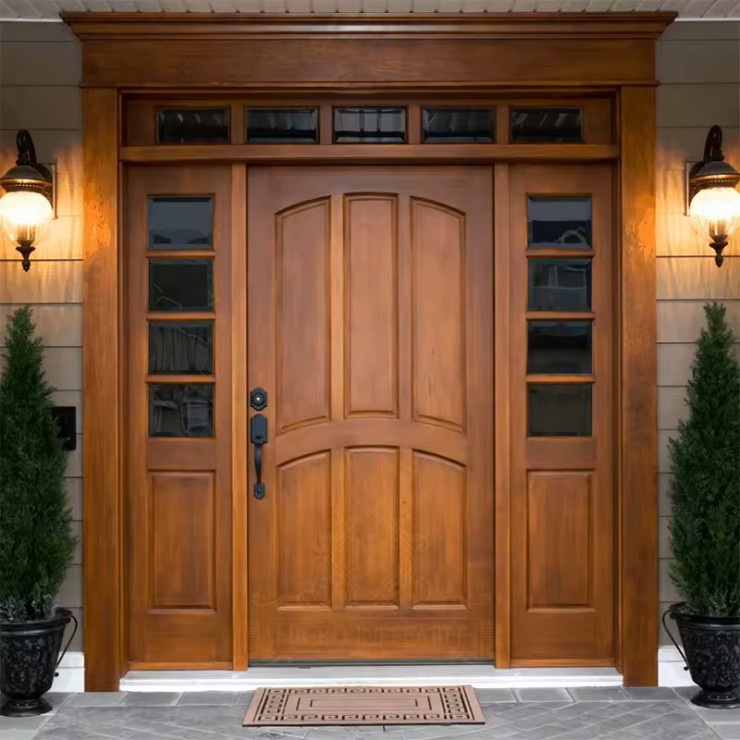
You want something that looks great, lasts long, and doesn’t stress you out with maintenance. You’re not alone. That’s exactly why more and more Toronto homeowners are choosing...
Read More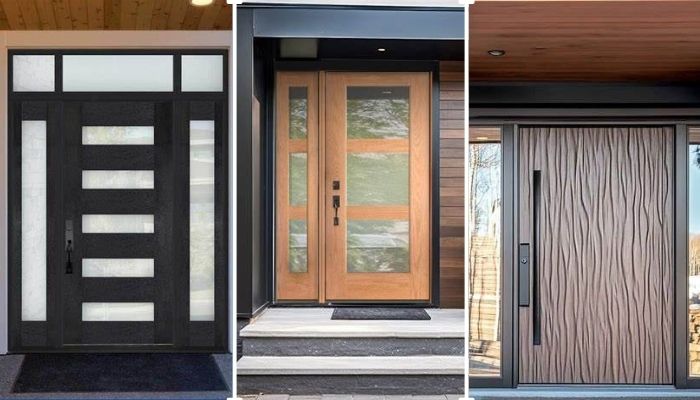
Thinking about replacing your front door? Let’s talk fiberglass. It's one of the smartest upgrades you can make, especially if you're living in Toronto. Whether your current door is drafty, outdated, or just plain boring.
Read More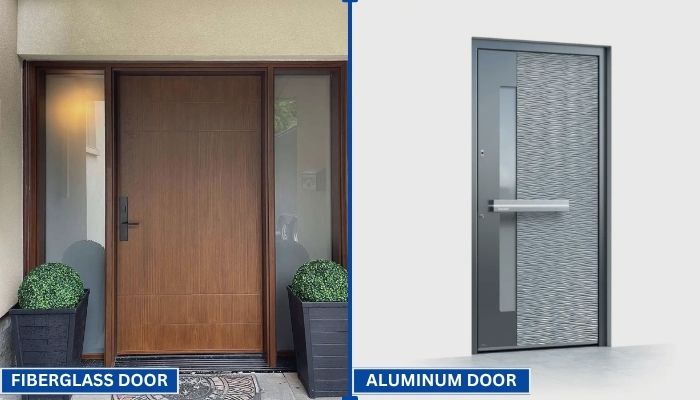
Your front door does more than just open and close. It protects your home, adds curb appeal, and helps control indoor temperature. That’s why picking the right door material matters.
Read More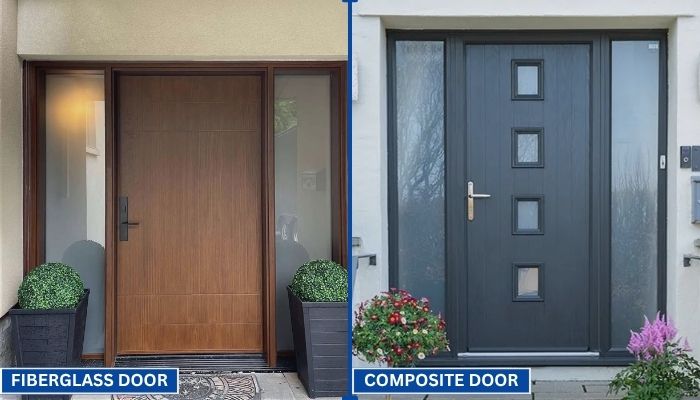
Choosing the right door can be confusing. You want something that looks good, lasts long, and keeps your home secure. Two of the most popular options today are fiberglass and composite doors.
Read More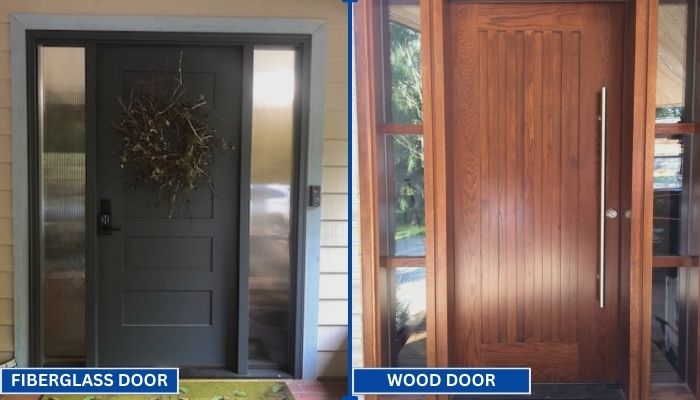
Replacing your front door is a big decision. Wood and fiberglass are two of the most popular materials for entry doors. Each has its own strengths in terms of style, durability, and maintenance. To help you choose the right one for your home, we have to go through a clear comparison.
Read MoreChoosing Oak Veneer Wood for global projects involves more than selecting an attractive grain. It requires practical judgment, material knowledge, and careful supplier verification. A warm European oak surface may look consistent in a showroom, yet sunlight, humidity, and transport can change its appearance. I have seen veneer samples match perfectly at the design stage, then differ slightly after pressing. That possibility should be considered early.
David Venables, European Director of the American Hardwood Export Council, has said, “The beauty of wood lies in its natural variation.” This idea matters when specifying Oak Veneer Wood across different markets. Buyers should confirm the oak species, veneer cut, thickness, moisture content, panel core, and finishing system. Ask for production samples, not only digital images. Touch the surface. Check the joint pattern under warm and cool light. Small details often reveal large quality differences.
A reliable global specification also needs traceability. Request documented timber origin, responsible forestry information, batch identification, and stable technical data. Confirm how the panels will be packed, stored, and protected during shipping. Marine environments may require different finishes from dry interior applications. Fire performance and emissions requirements should also be reviewed with local professionals.
There is no perfect checklist.
Even experienced teams can overlook edge banding, repair marks, or slight color movement between batches. That is why testing a full-size mock-up remains valuable. Good Oak Veneer Wood is not simply beautiful. It should be predictable, documented, and suitable for the project’s climate, function, and maintenance expectations.
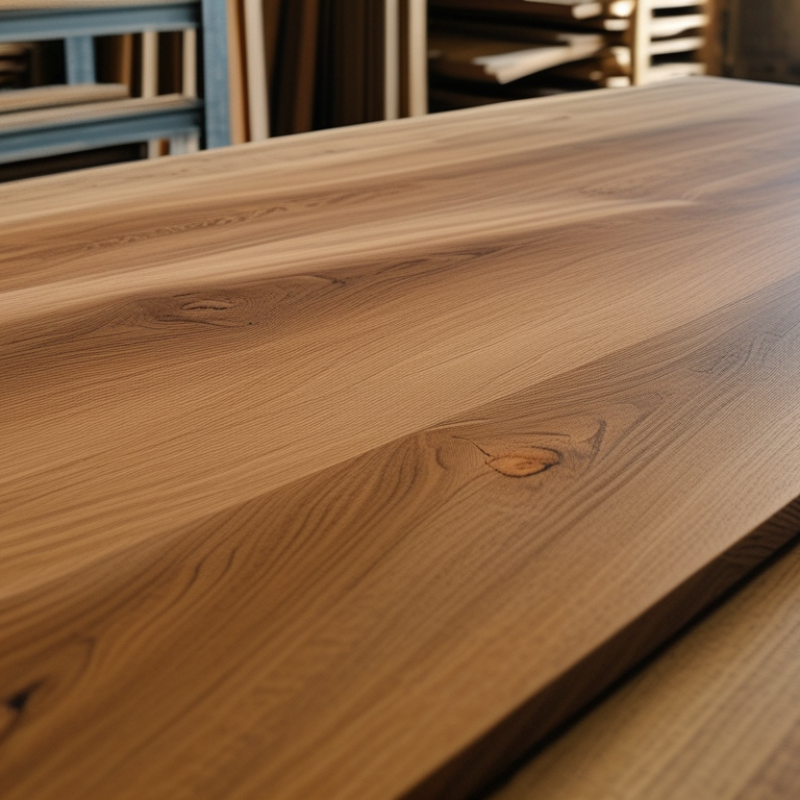
Choosing oak veneer for global projects requires more than matching a color sample. Under EN 635-2, oak plywood surfaces are classified by appearance. The usual classes run from E to IV. Class E allows very limited natural features and demands a highly uniform face. Classes I and II accept carefully controlled knots, mineral streaks, and small color variations. Class III permits more visible characteristics and repaired defects. Class IV allows the broadest natural variation.
These classes help buyers write clearer specifications. They do not guarantee identical color between panels. Oak can show cathedral grain, medullary rays, pin knots, and pale sapwood. A project requiring quiet wall panels may select Class E or I. Furniture with a more natural look may accept Class II or III. Class IV can suit concealed or heavily charactered surfaces, but the contract should state its intended use.
Inspect samples in the final lighting. Small strips can hide large variation. That is easy to miss. Ask for the veneer species, face class, repair policy, sanding condition, and moisture requirements. EN 635-2 supports appearance classification, but it should not replace a project-specific inspection plan. Confirm the referenced edition and national adoption before ordering. Human judgment still matters, especially when buyers compare factory samples with full-size panels. A perfect match is rarely realistic. Photograph approved samples and record acceptable limits before production begins.
We’ll Come To You!
Quality New Windows & Doors. Competitively Priced!
Christine R.
Please, enter a valid value