
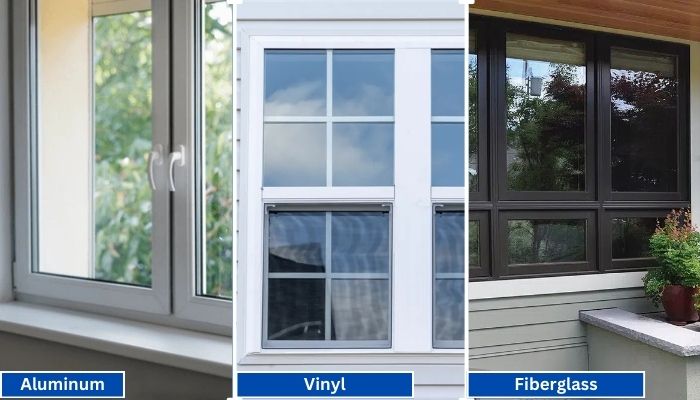
Vinyl generally has the shortest lead times because it is widely produced in standard configurations. Fiberglass is mid-range, especially for factory-painted colors.
Read More
PROUDLY CANADIAN COMPANY OWNED & OPERATED IN TORONTO SINCE 1989!
Vinyl generally has the shortest lead times because it is widely produced in standard configurations. Fiberglass is mid-range, especially for factory-painted colors.
Read More
Vinyl windows have become the go-to choice for homeowners in Toronto, thanks to their durability, energy efficiency, and low maintenance requirements. Whether you're upgrading your home for better insulation or enhancing
Read More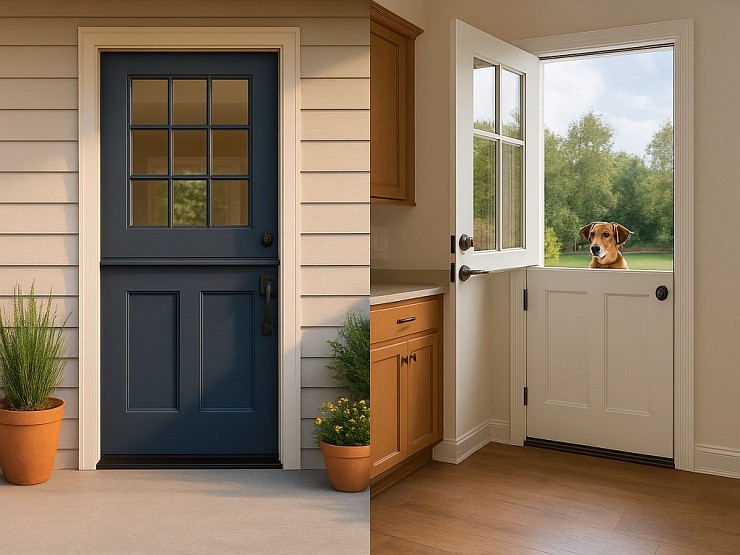
Thinking about changing your front door? A fiberglass Dutch door might have caught your eye. It’s not just a door. It’s part style statement, part smart functionality.
Read More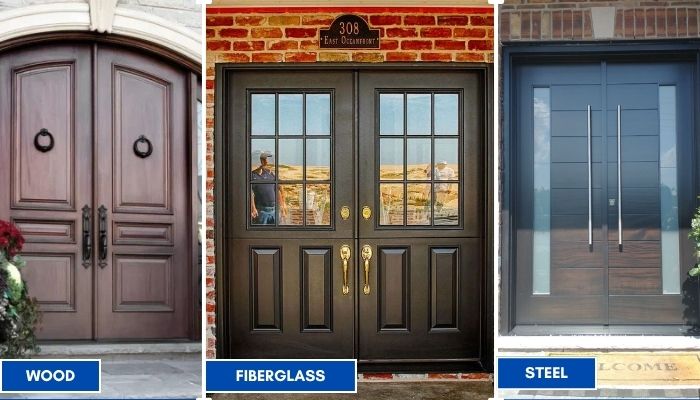
Thinking about replacing your front doors? Double doors are a bold upgrade. They look great, let in more light, and make moving big stuff easier. But the material you choose makes all the difference; especially here in Toronto.
Read More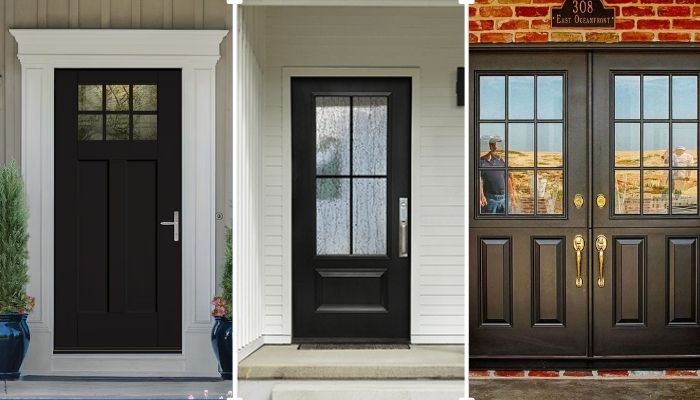
Thinking of giving your home that cozy, farmhouse charm? Let’s talk doors. Specifically, the fiberglass front doors in farmhouse style. You get the rustic look, without the rot, warping, or constant upkeep that comes with wood.
Read More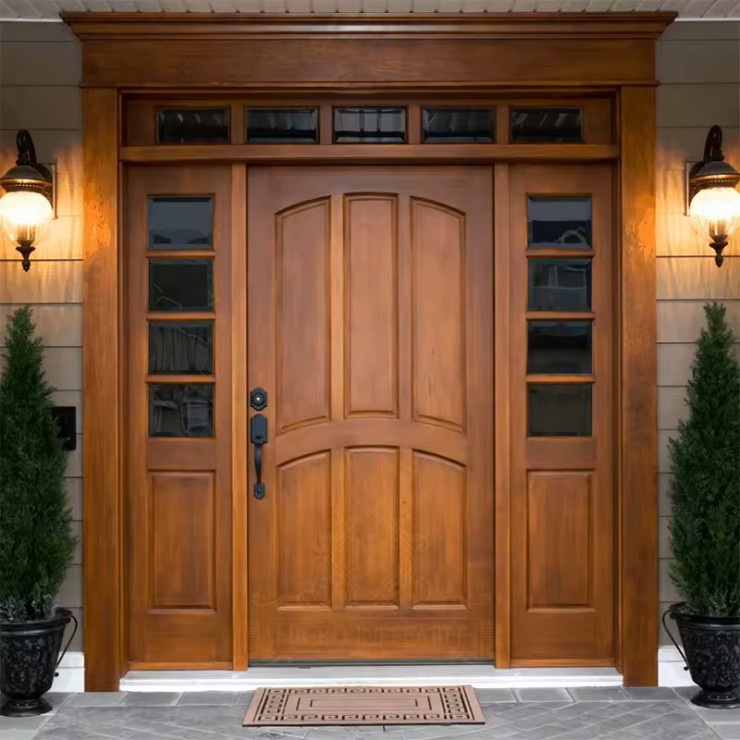
You want something that looks great, lasts long, and doesn’t stress you out with maintenance. You’re not alone. That’s exactly why more and more Toronto homeowners are choosing...
Read More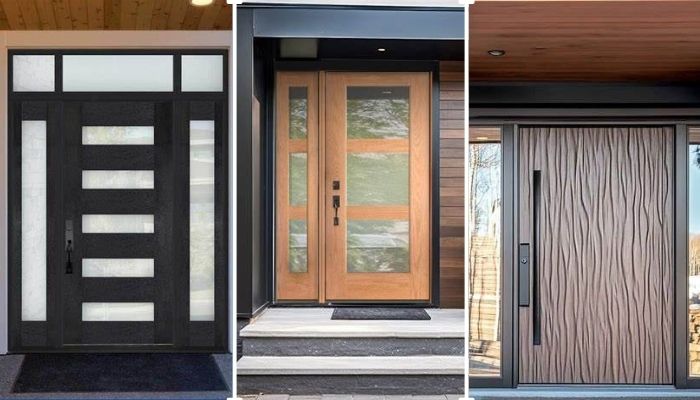
Thinking about replacing your front door? Let’s talk fiberglass. It's one of the smartest upgrades you can make, especially if you're living in Toronto. Whether your current door is drafty, outdated, or just plain boring.
Read More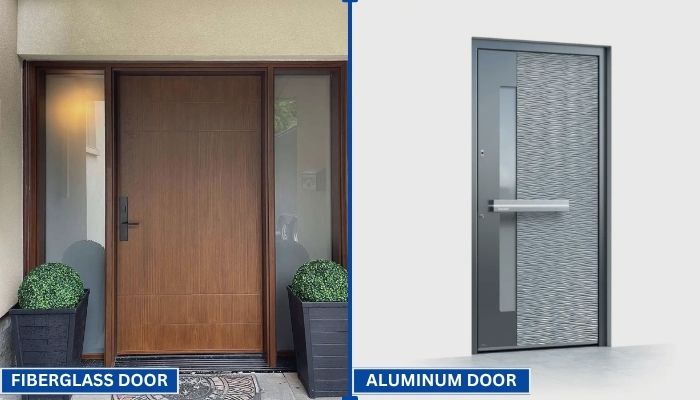
Your front door does more than just open and close. It protects your home, adds curb appeal, and helps control indoor temperature. That’s why picking the right door material matters.
Read More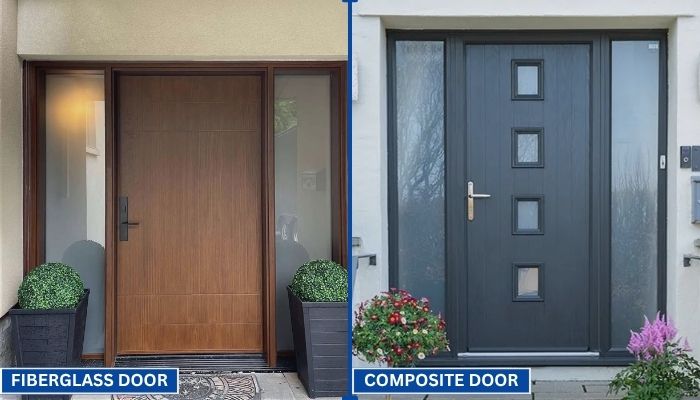
Choosing the right door can be confusing. You want something that looks good, lasts long, and keeps your home secure. Two of the most popular options today are fiberglass and composite doors.
Read More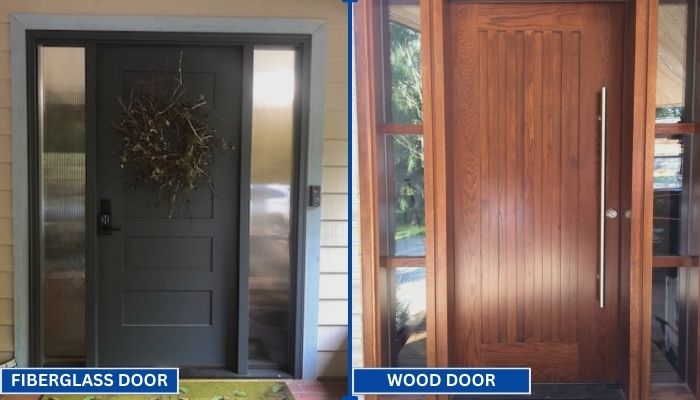
Replacing your front door is a big decision. Wood and fiberglass are two of the most popular materials for entry doors. Each has its own strengths in terms of style, durability, and maintenance. To help you choose the right one for your home, we have to go through a clear comparison.
Read MoreChoosing Aluminum Louver Windows requires more than comparing prices or frame colors. These windows influence airflow, daylight, privacy, weather protection, and building appearance. A suitable choice begins with the project’s location, room function, orientation, and maintenance expectations. Coastal buildings may need stronger corrosion resistance. A shaded utility room may need different louver spacing than a sun-facing office. Small details matter.
This guide explains how to evaluate Aluminum Louver Windows with practical project experience and reliable technical information. It considers blade design, frame depth, glazing options, drainage, hardware quality, and installation conditions. Blade angle affects ventilation and rain control. Frame construction influences strength and long-term operation. Thermal breaks may improve indoor comfort, especially in conditioned spaces. Always review tested performance data, warranty terms, and supplier documentation. Local building requirements should also guide the final selection.
No option is perfect. A highly ventilated design may reduce privacy. A tighter louver arrangement may limit airflow. I have seen attractive systems perform poorly when installers ignored wall movement or water drainage. That lesson is easy to overlook. The article outline will help compare realistic priorities, including budget, energy performance, cleaning access, and replacement needs. It will also encourage questions for manufacturers and qualified installers. Their recommendations should match verified project conditions, not vague promises. Careful selection takes time, but it can prevent rattling blades, difficult maintenance, and costly changes after installation.
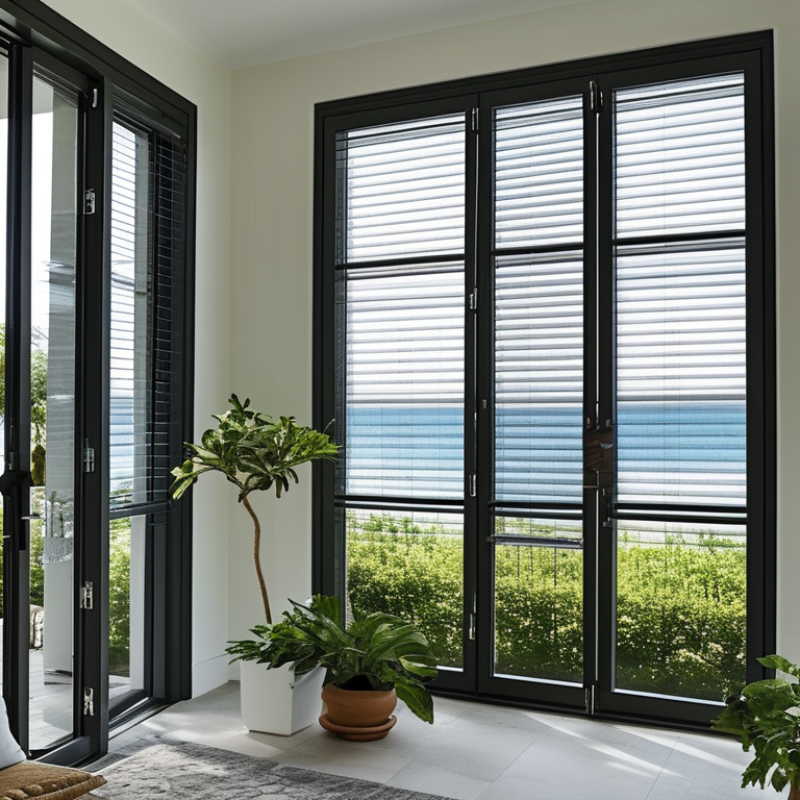
Start with the room. A humid bathroom, coastal apartment, and warehouse need different louver window designs. Define the main goal before comparing profiles. Do you need continuous ventilation, daylight control, privacy, or rain protection?
Measure twice. Record wall openings, sill heights, airflow paths, and available operating space. A small measurement error can create expensive installation problems.
Performance goals should guide the frame, blade, and hardware selection. In coastal areas, specify aluminum finishes suitable for salt exposure and confirm drainage details. For busy buildings, choose strong operators that tolerate frequent opening. If security matters, consider restricted openings and suitable locking hardware. Louver angles also affect wind resistance, water entry, glare, and privacy. Ask for tested performance data rather than relying on appearance. Local building requirements and a project engineer’s review remain important.
“ I once focused too heavily on ventilation and overlooked cleaning access. The window worked well, but maintenance became awkward. That experience changed my selection process.
Leave room for inspection, blade replacement, and hardware adjustment. In schools or offices, check whether users can operate the windows safely.
In energy-conscious projects, compare ventilation benefits with heat gain and cooling loads. Insect screens may help, although they can reduce airflow. Treat this as a design trade-off, not a sales claim.
Clear drawings, verified dimensions, and written performance requirements make decisions more reliable.
We’ll Come To You!
Quality New Windows & Doors. Competitively Priced!
Christine R.
Please, enter a valid value