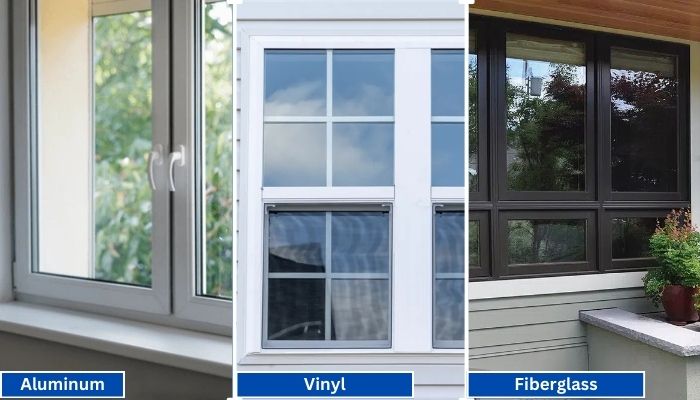
Vinyl generally has the shortest lead times because it is widely produced in standard configurations. Fiberglass is mid-range, especially for factory-painted colors.
Read More
PROUDLY CANADIAN COMPANY OWNED & OPERATED IN TORONTO SINCE 1989!
Vinyl generally has the shortest lead times because it is widely produced in standard configurations. Fiberglass is mid-range, especially for factory-painted colors.
Read More
Vinyl windows have become the go-to choice for homeowners in Toronto, thanks to their durability, energy efficiency, and low maintenance requirements. Whether you're upgrading your home for better insulation or enhancing
Read More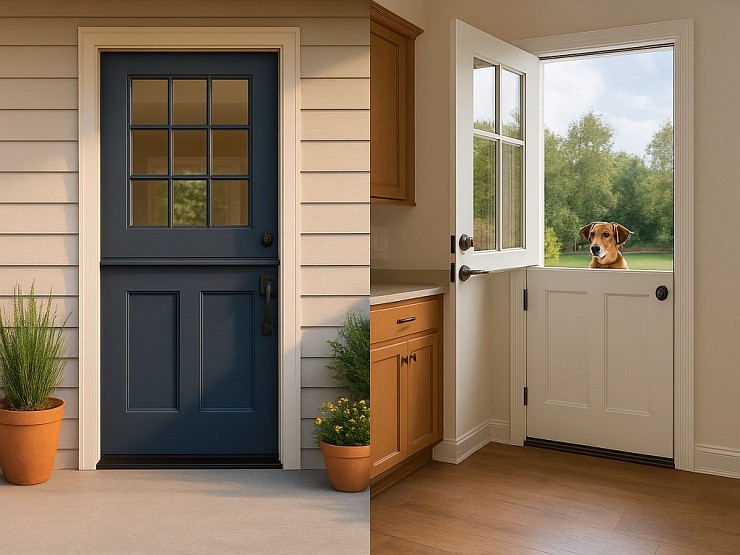
Thinking about changing your front door? A fiberglass Dutch door might have caught your eye. It’s not just a door. It’s part style statement, part smart functionality.
Read More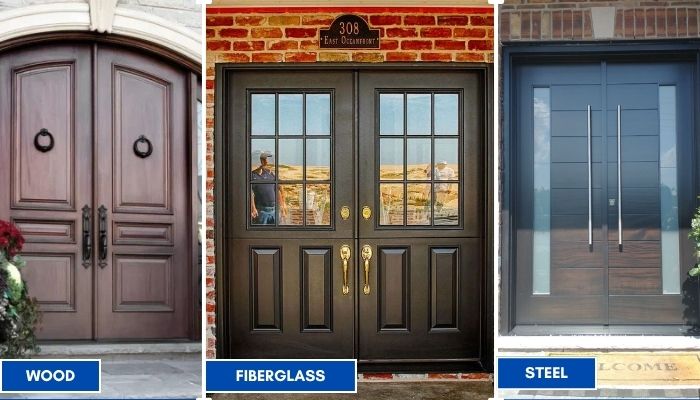
Thinking about replacing your front doors? Double doors are a bold upgrade. They look great, let in more light, and make moving big stuff easier. But the material you choose makes all the difference; especially here in Toronto.
Read More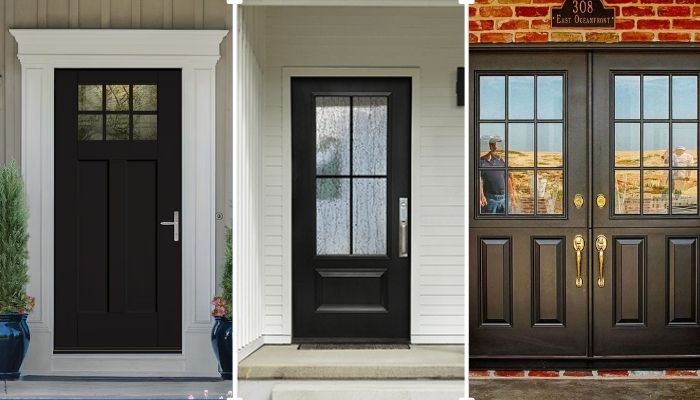
Thinking of giving your home that cozy, farmhouse charm? Let’s talk doors. Specifically, the fiberglass front doors in farmhouse style. You get the rustic look, without the rot, warping, or constant upkeep that comes with wood.
Read More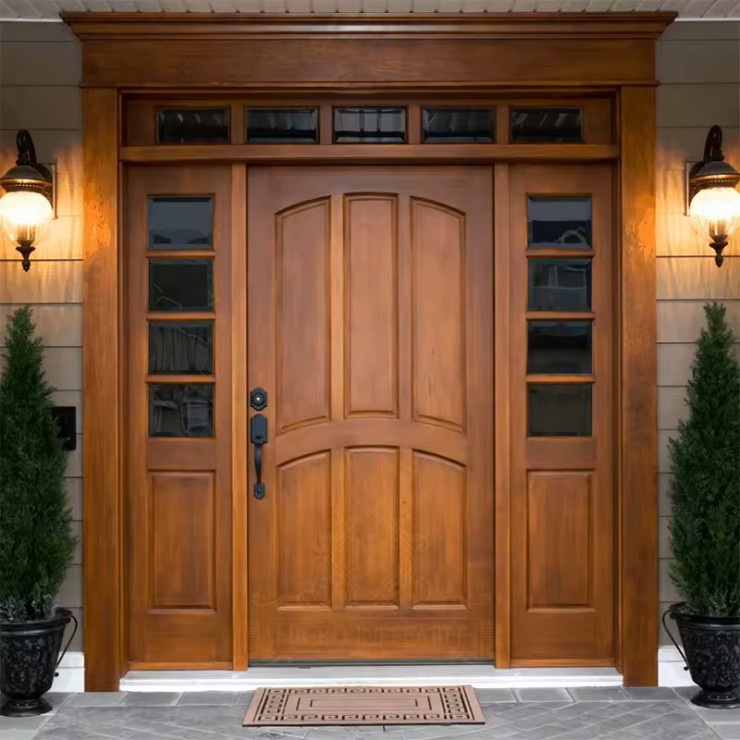
You want something that looks great, lasts long, and doesn’t stress you out with maintenance. You’re not alone. That’s exactly why more and more Toronto homeowners are choosing...
Read More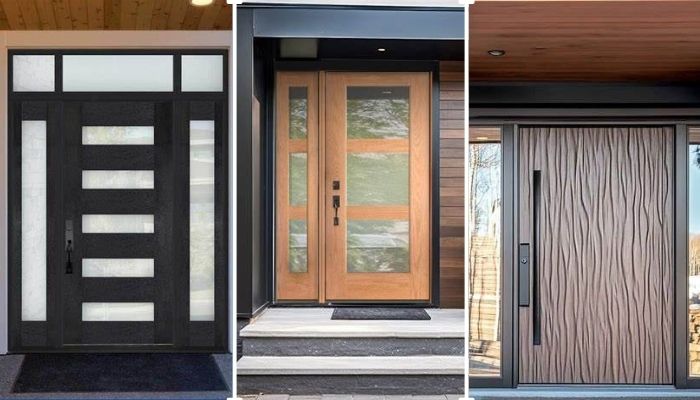
Thinking about replacing your front door? Let’s talk fiberglass. It's one of the smartest upgrades you can make, especially if you're living in Toronto. Whether your current door is drafty, outdated, or just plain boring.
Read More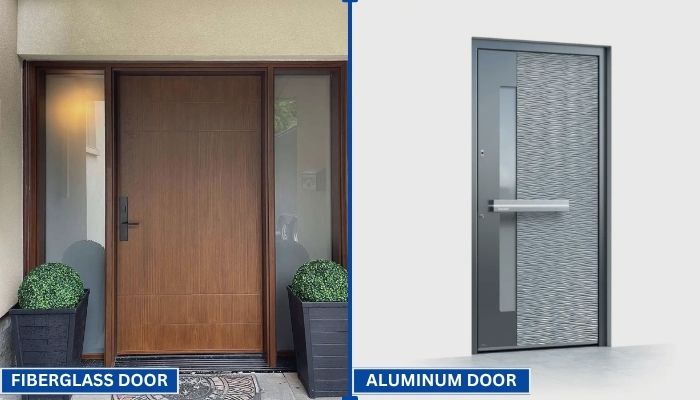
Your front door does more than just open and close. It protects your home, adds curb appeal, and helps control indoor temperature. That’s why picking the right door material matters.
Read More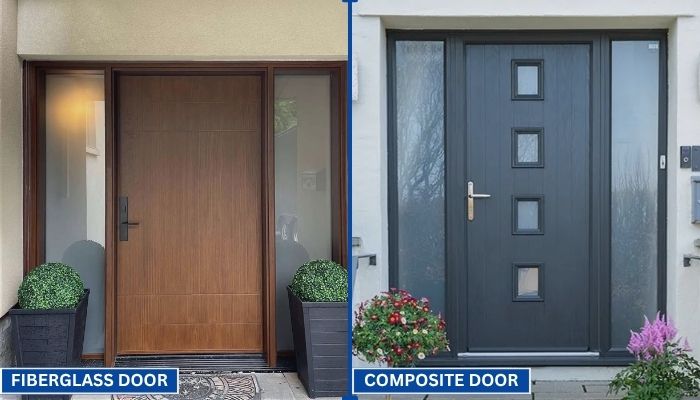
Choosing the right door can be confusing. You want something that looks good, lasts long, and keeps your home secure. Two of the most popular options today are fiberglass and composite doors.
Read More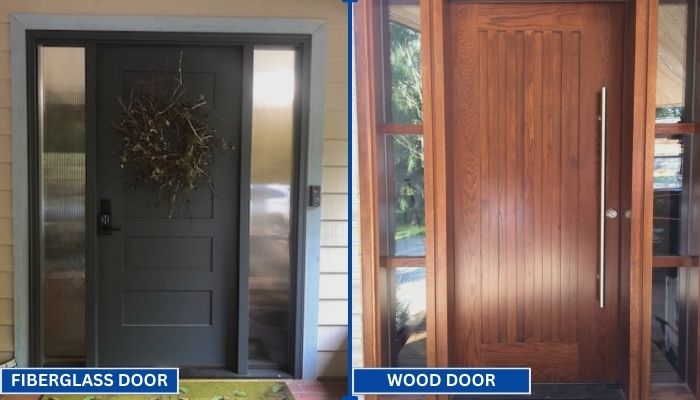
Replacing your front door is a big decision. Wood and fiberglass are two of the most popular materials for entry doors. Each has its own strengths in terms of style, durability, and maintenance. To help you choose the right one for your home, we have to go through a clear comparison.
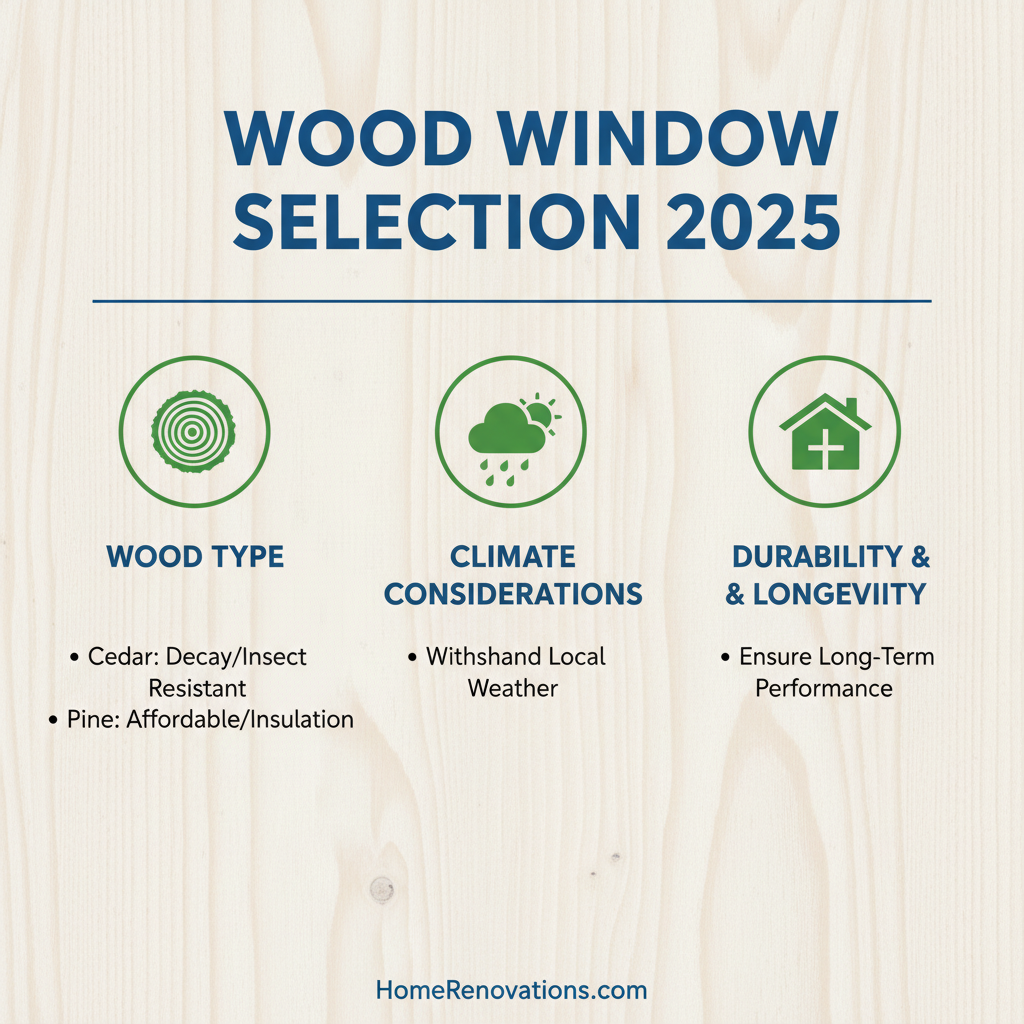
Read MoreIn 2025, the demand for wood windows is expected to experience significant growth as homeowners increasingly prioritize energy efficiency and aesthetic appeal in their renovation projects. According to a report from the Freedonia Group, the market for wood windows in the United States is projected to reach $4.5 billion by the end of the year, reflecting a compound annual growth rate (CAGR) of 5.6% from 2020 to 2025. This rise is attributed to the resurgence of interest in sustainable building materials, as wood windows offer not only visual warmth but also superior insulation properties when compared to other window materials.
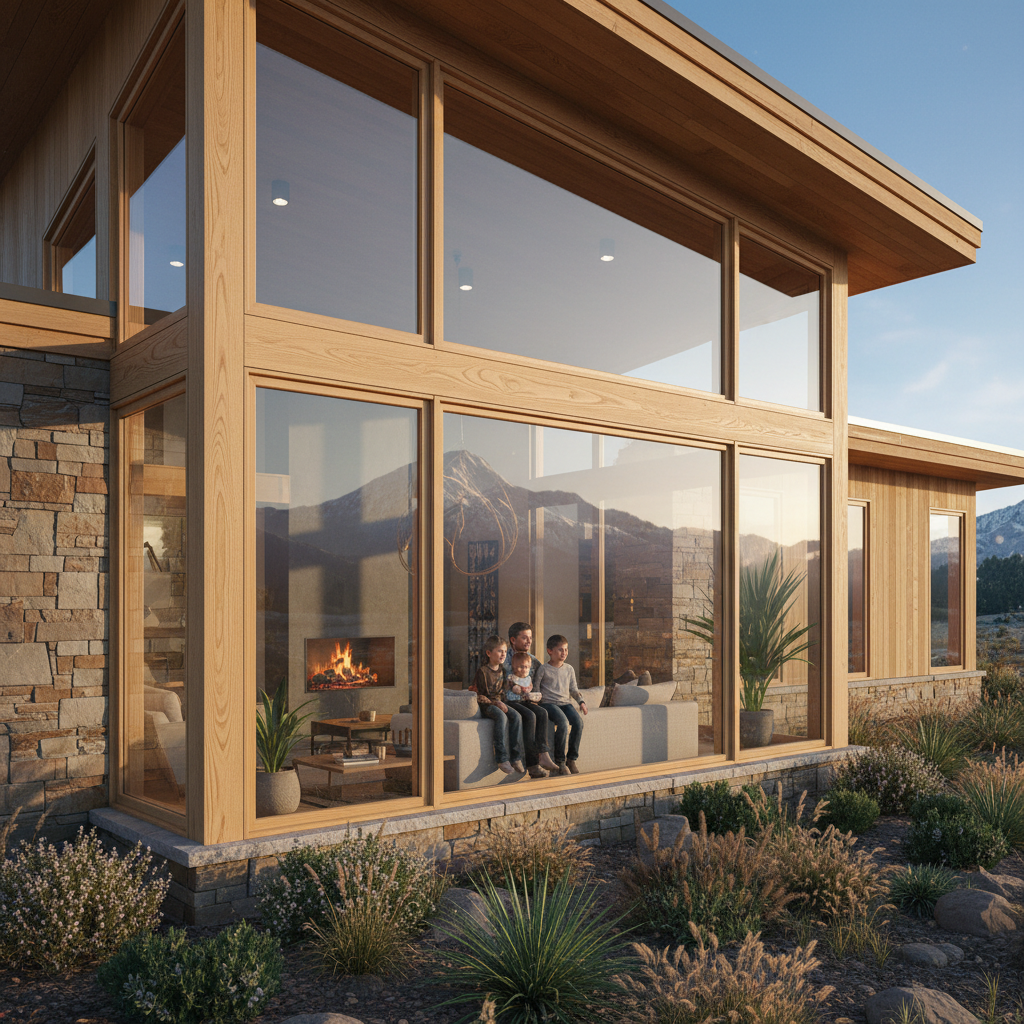
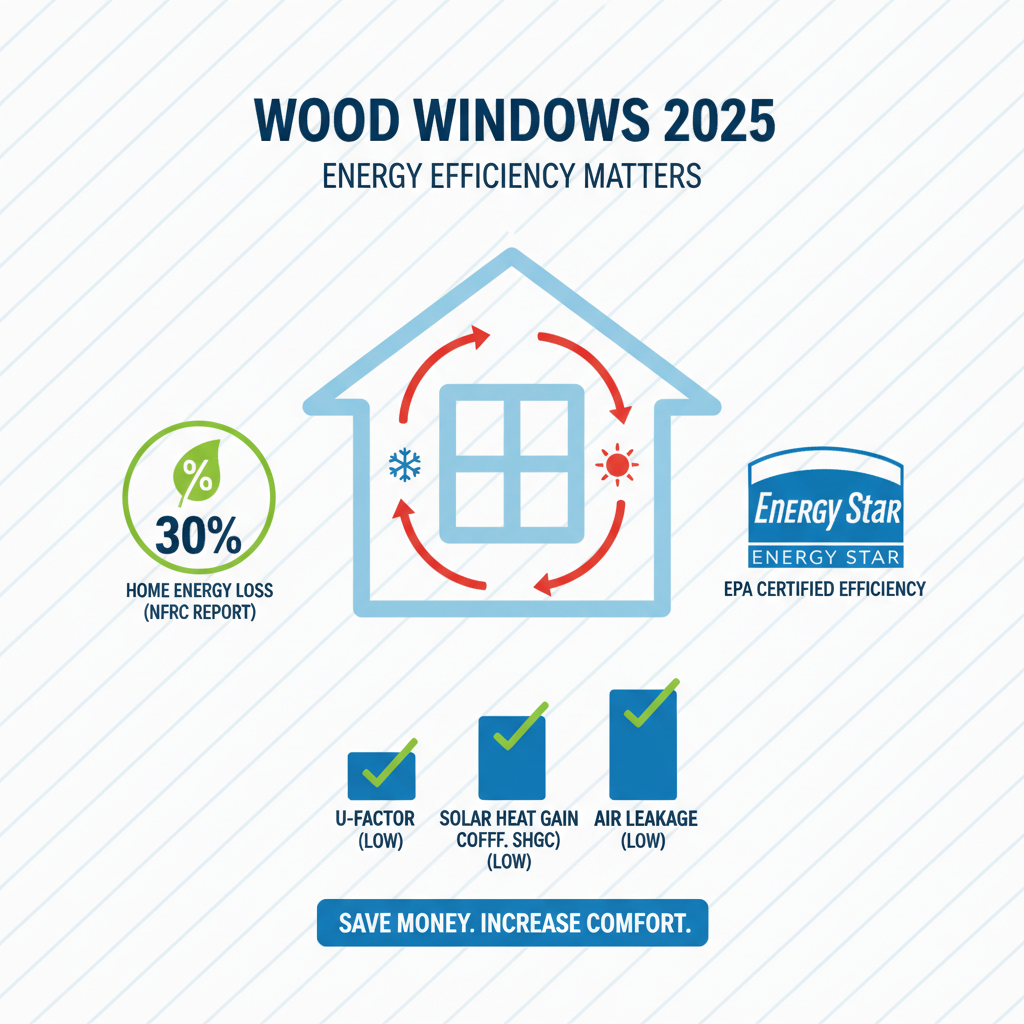
The selection of the best wood windows for your home can greatly impact not only the residence's appearance but also its energy performance. The U.S. Department of Energy notes that high-quality wood windows can contribute to energy savings of up to 25% by reducing heat loss. With advancements in technology and design, modern wood windows are more durable and resistant to the elements, ensuring they remain a viable choice for homeowners seeking to enhance their property value while maintaining comfort and style. As we navigate the evolving landscape of home improvement, understanding the key features and benefits of wood windows is essential for making informed decisions that align with contemporary standards.
Wood windows have long been cherished for their aesthetic appeal and natural insulation properties. In 2025, the trend continues as more homeowners recognize the tangible benefits of opting for wood over other materials. One of the primary advantages of wood windows is their excellent thermal performance. Wood naturally has insulating properties that help maintain consistent indoor temperatures, reducing reliance on heating and cooling systems. This energy efficiency not only contributes to lower utility bills but also supports a more sustainable lifestyle.
In addition to energy efficiency, wood windows offer remarkable versatility in design. Available in a plethora of styles, finishes, and colors, they can complement any architectural aesthetic, from traditional to modern. Homeowners can also choose from different wood species that provide unique grain patterns and textures, enhancing the overall beauty of their homes. Furthermore, with advancements in technology and treatments, modern wood windows are more durable and require less maintenance than ever before, ensuring that they remain a smart investment for years to come.
We’ll Come To You!
Quality New Windows & Doors. Competitively Priced!
Christine R.
Please, enter a valid value