
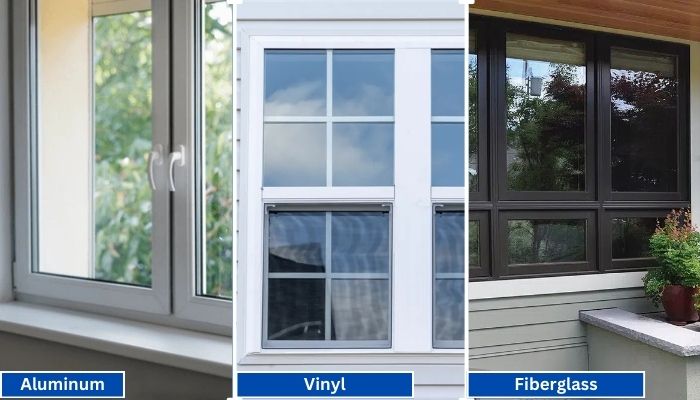
Vinyl generally has the shortest lead times because it is widely produced in standard configurations. Fiberglass is mid-range, especially for factory-painted colors.
Read More
PROUDLY CANADIAN COMPANY OWNED & OPERATED IN TORONTO SINCE 1989!
Vinyl generally has the shortest lead times because it is widely produced in standard configurations. Fiberglass is mid-range, especially for factory-painted colors.
Read More
Vinyl windows have become the go-to choice for homeowners in Toronto, thanks to their durability, energy efficiency, and low maintenance requirements. Whether you're upgrading your home for better insulation or enhancing
Read More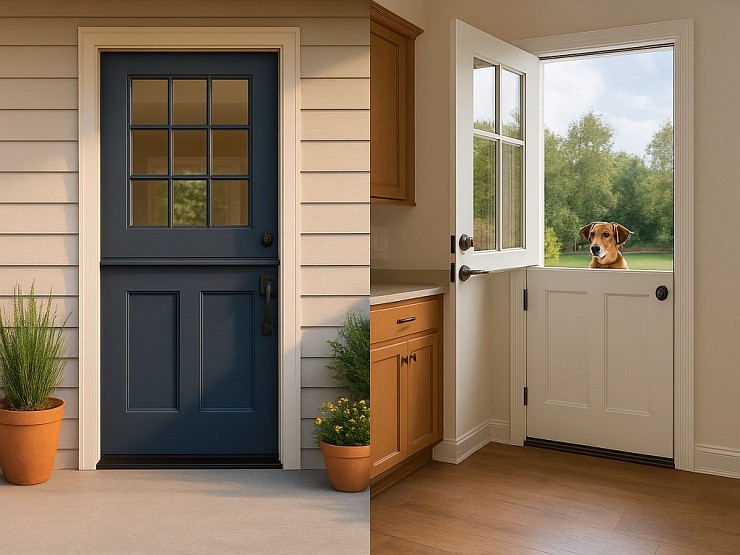
Thinking about changing your front door? A fiberglass Dutch door might have caught your eye. It’s not just a door. It’s part style statement, part smart functionality.
Read More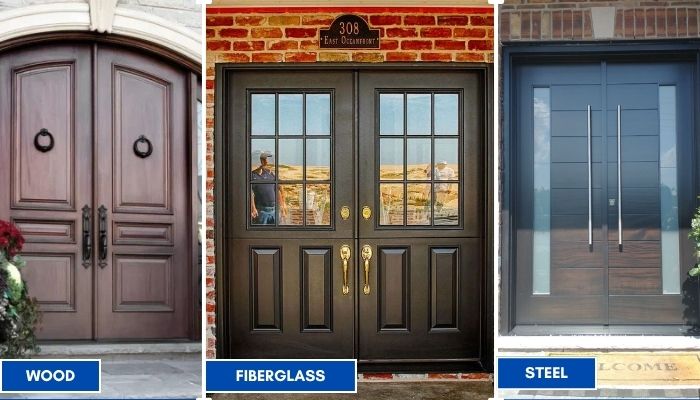
Thinking about replacing your front doors? Double doors are a bold upgrade. They look great, let in more light, and make moving big stuff easier. But the material you choose makes all the difference; especially here in Toronto.
Read More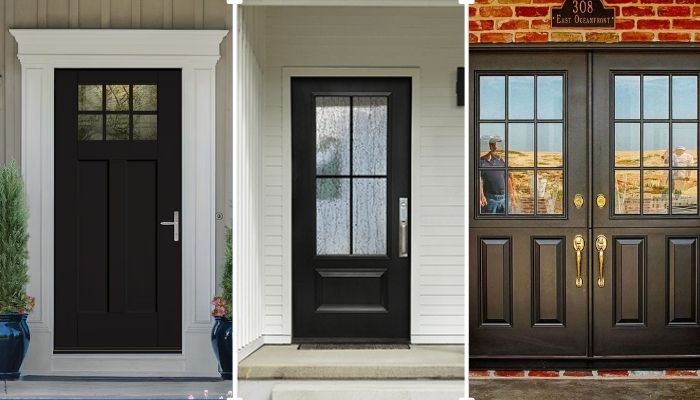
Thinking of giving your home that cozy, farmhouse charm? Let’s talk doors. Specifically, the fiberglass front doors in farmhouse style. You get the rustic look, without the rot, warping, or constant upkeep that comes with wood.
Read More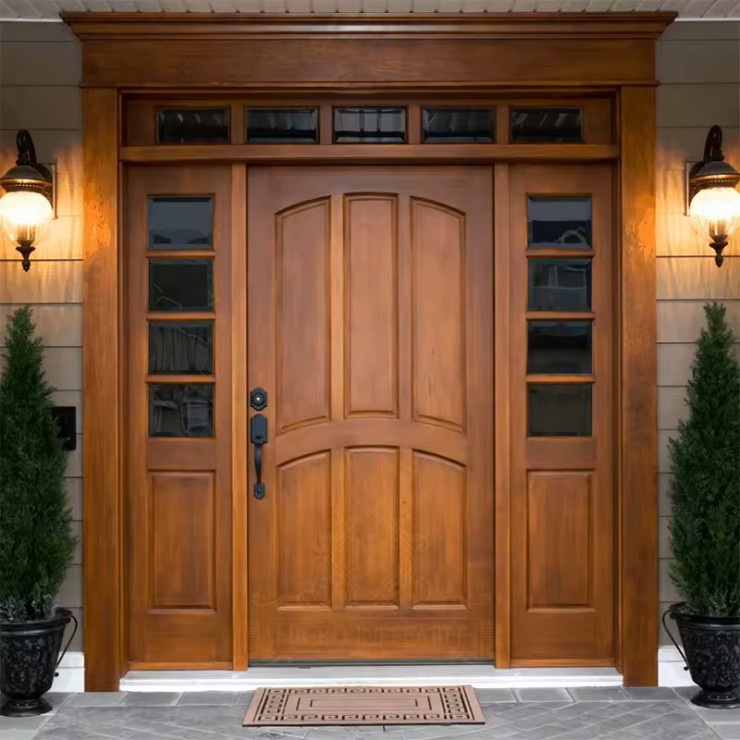
You want something that looks great, lasts long, and doesn’t stress you out with maintenance. You’re not alone. That’s exactly why more and more Toronto homeowners are choosing...
Read More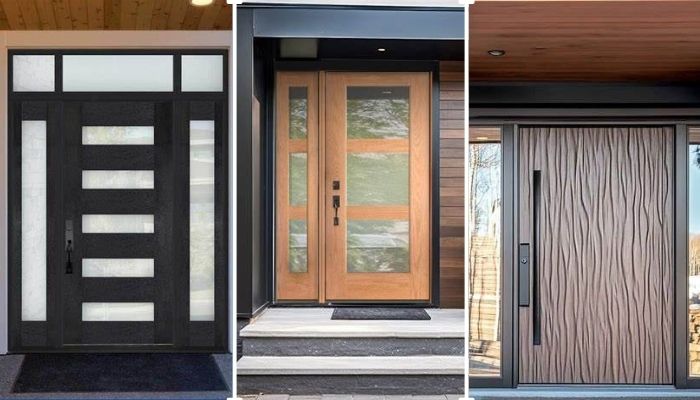
Thinking about replacing your front door? Let’s talk fiberglass. It's one of the smartest upgrades you can make, especially if you're living in Toronto. Whether your current door is drafty, outdated, or just plain boring.
Read More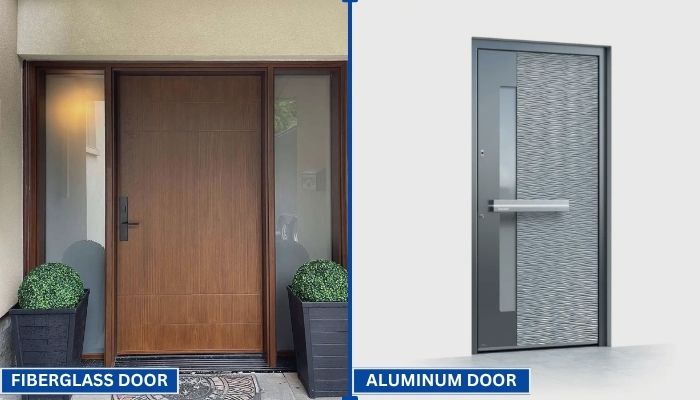
Your front door does more than just open and close. It protects your home, adds curb appeal, and helps control indoor temperature. That’s why picking the right door material matters.
Read More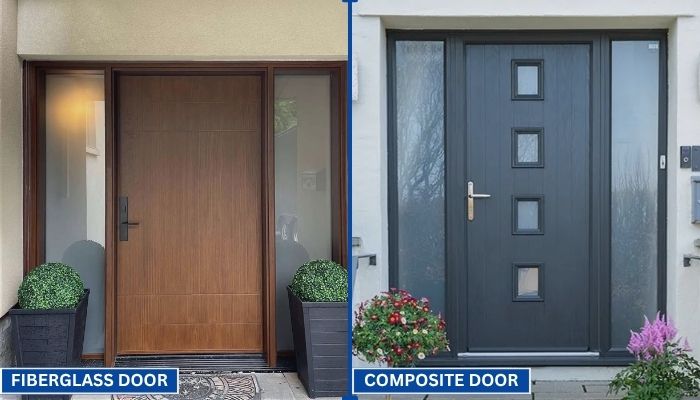
Choosing the right door can be confusing. You want something that looks good, lasts long, and keeps your home secure. Two of the most popular options today are fiberglass and composite doors.
Read More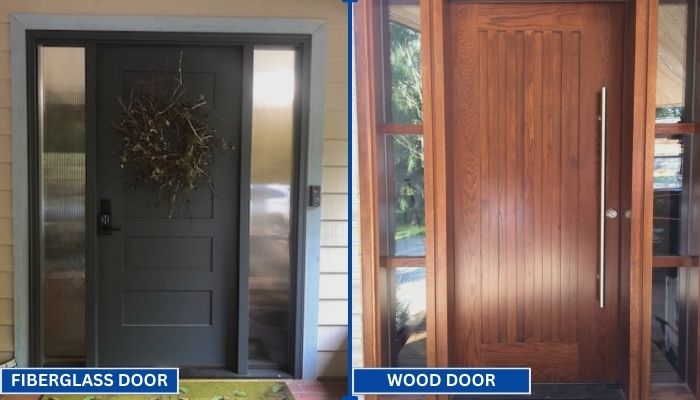
Replacing your front door is a big decision. Wood and fiberglass are two of the most popular materials for entry doors. Each has its own strengths in terms of style, durability, and maintenance. To help you choose the right one for your home, we have to go through a clear comparison.
Read MoreChoosing China’s best smart switch cover glass manufacturer requires more than comparing prices or polished catalogs. The real test appears under daily pressure: fingerprints, warm rooms, repeated taps, and accidental impacts.
A reliable supplier should control glass composition, CNC cutting, chemical strengthening, printing, coating, and final inspection. These steps shape clarity, touch response, edge safety, and long-term appearance. Buyers should also review sample consistency, flatness data, coating adhesion, and traceable quality records. Details matter.
Dr. Lin Wei, an independent glass-materials consultant, offers a practical view: “A smart switch cover glass is successful only when beauty survives repeated human contact.” This principle supports a careful manufacturer evaluation. The strongest factories usually combine automated inspection with experienced technicians. They can adjust ink thickness, corner radius, and surface treatment for different switch designs.
However, no supplier is perfect. A factory may deliver excellent prototypes yet struggle with mass-production consistency. Another may offer low prices but limited testing evidence. That weakness should not be hidden. It deserves direct questions, factory audits, and independent sample checks.
This guide examines China-based manufacturers through material performance, production capability, customization, certification support, packaging, and service reliability. It also considers practical details, such as whether black borders remain even after strengthening and whether drilled openings align with internal components. A good smart switch cover glass manufacturer should not merely sell attractive panels. It should provide stable performance, clear communication, and measurable quality from the first sample to every production batch.
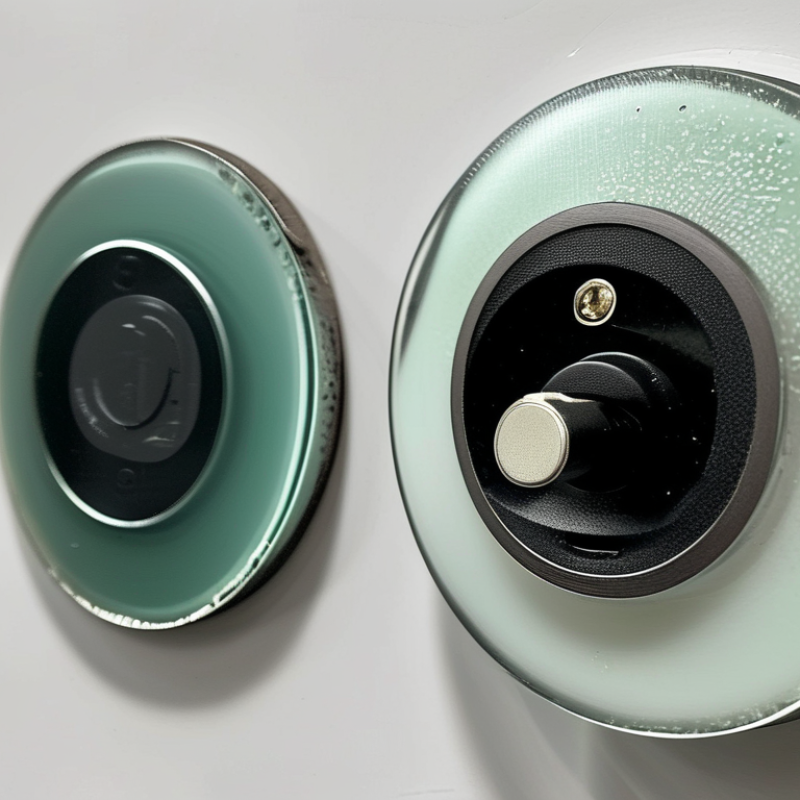
Smart switch cover glass is the protective, touch-sensitive surface placed over a modern wall switch. It may look simple, but its design combines glass engineering, optical clarity, and user comfort. The panel shields internal electronics from fingerprints, dust, and everyday impacts. It also allows light symbols or control icons to remain visible. Many products use chemically strengthened glass for better resistance against scratches and edge damage. A smooth surface improves cleaning and touch response. Dark printing, transparent windows, and precise openings can be added during processing. Small errors matter. A slightly misplaced symbol can make the whole switch feel poorly made.
In practical production, engineers usually check thickness, flatness, color consistency, surface haze, and hole dimensions. They also test repeated touch operation and inspect the glass under controlled lighting. Anti-fingerprint coatings can reduce oily marks, although they may wear over time. Adhesive selection is equally important because weak bonding can create bubbles or edge lifting. The best specification depends on the switch structure, installation environment, and expected usage. A glass panel for a dry bedroom may need different protection than one used near a kitchen sink. No process is flawless. Even a strong cover can fail when sharp edges, poor packaging, or excessive assembly pressure are ignored. Reliable manufacturers therefore combine material testing, controlled processing, and honest inspection records.
We’ll Come To You!
Quality New Windows & Doors. Competitively Priced!
Christine R.
Please, enter a valid value