
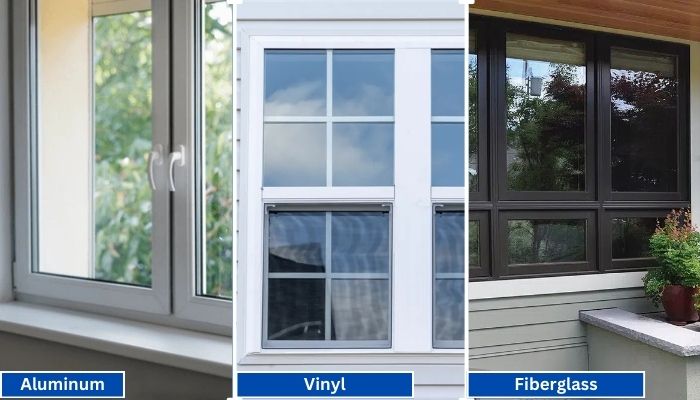
Vinyl generally has the shortest lead times because it is widely produced in standard configurations. Fiberglass is mid-range, especially for factory-painted colors.
Read More
PROUDLY CANADIAN COMPANY OWNED & OPERATED IN TORONTO SINCE 1989!
Vinyl generally has the shortest lead times because it is widely produced in standard configurations. Fiberglass is mid-range, especially for factory-painted colors.
Read More
Vinyl windows have become the go-to choice for homeowners in Toronto, thanks to their durability, energy efficiency, and low maintenance requirements. Whether you're upgrading your home for better insulation or enhancing
Read More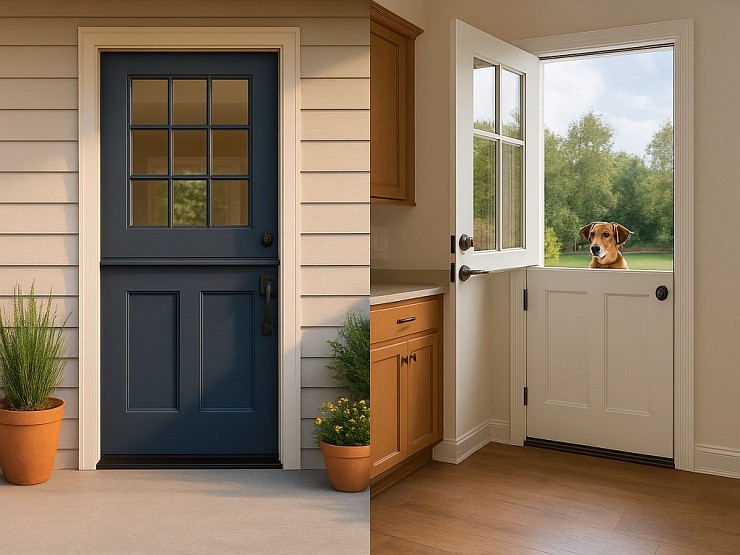
Thinking about changing your front door? A fiberglass Dutch door might have caught your eye. It’s not just a door. It’s part style statement, part smart functionality.
Read More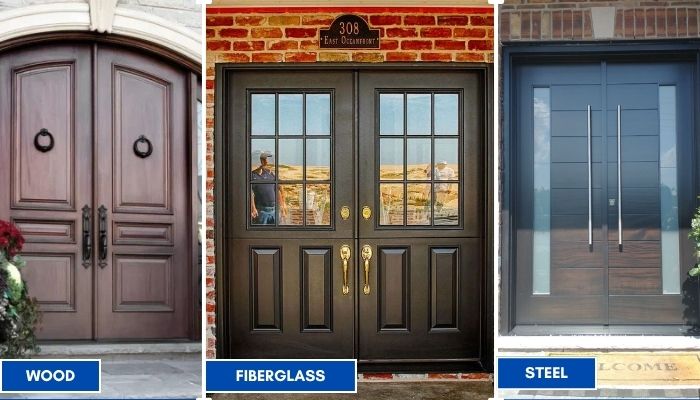
Thinking about replacing your front doors? Double doors are a bold upgrade. They look great, let in more light, and make moving big stuff easier. But the material you choose makes all the difference; especially here in Toronto.
Read More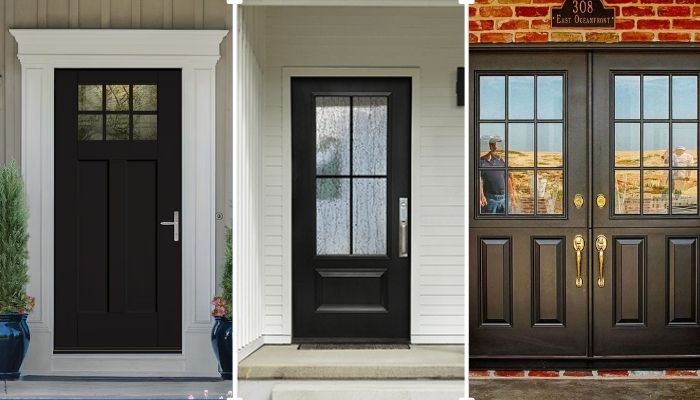
Thinking of giving your home that cozy, farmhouse charm? Let’s talk doors. Specifically, the fiberglass front doors in farmhouse style. You get the rustic look, without the rot, warping, or constant upkeep that comes with wood.
Read More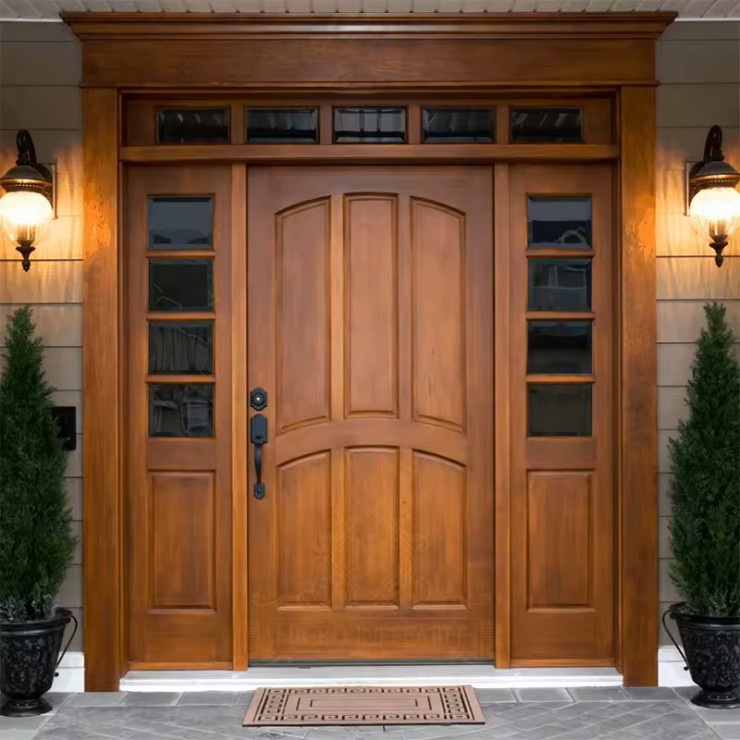
You want something that looks great, lasts long, and doesn’t stress you out with maintenance. You’re not alone. That’s exactly why more and more Toronto homeowners are choosing...
Read More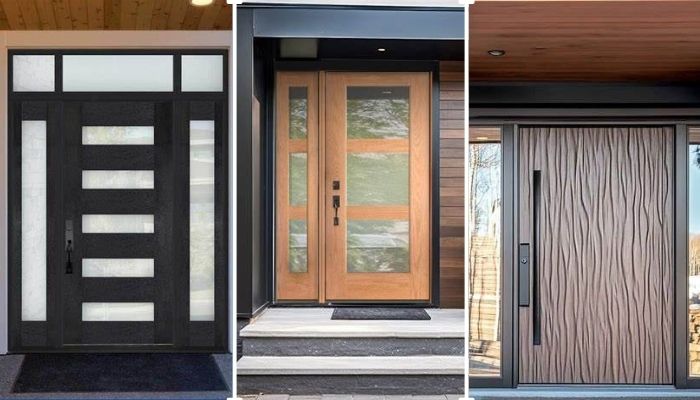
Thinking about replacing your front door? Let’s talk fiberglass. It's one of the smartest upgrades you can make, especially if you're living in Toronto. Whether your current door is drafty, outdated, or just plain boring.
Read More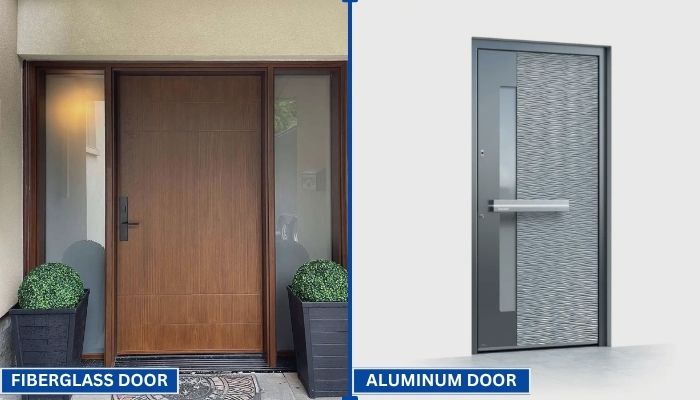
Your front door does more than just open and close. It protects your home, adds curb appeal, and helps control indoor temperature. That’s why picking the right door material matters.
Read More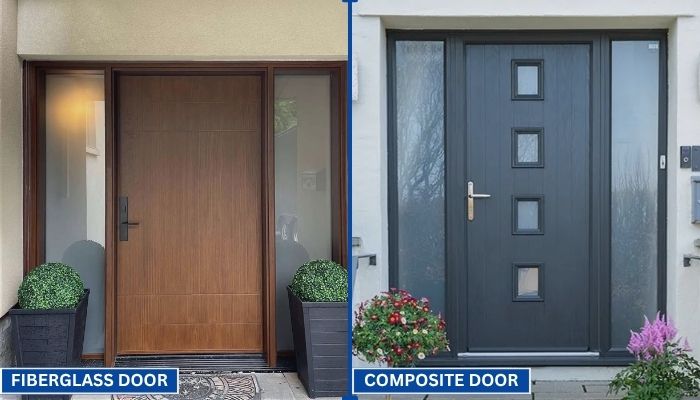
Choosing the right door can be confusing. You want something that looks good, lasts long, and keeps your home secure. Two of the most popular options today are fiberglass and composite doors.
Read More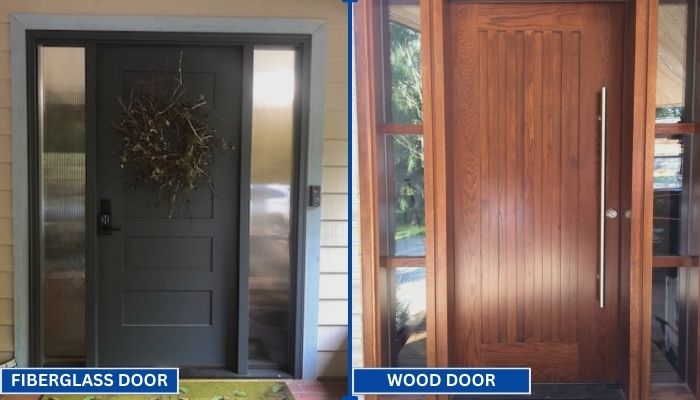
Replacing your front door is a big decision. Wood and fiberglass are two of the most popular materials for entry doors. Each has its own strengths in terms of style, durability, and maintenance. To help you choose the right one for your home, we have to go through a clear comparison.
Read MoreChoosing a China Oem Steel Pipe manufacturer requires more than comparing unit prices. Global buyers need evidence, process control, and dependable communication. The right supplier should understand pressure ratings, material grades, dimensional tolerances, and project-specific documentation. A pipe may look perfect on a loading dock, yet its heat number, wall thickness, or coating record can reveal important differences.
W. Edwards Deming, a respected manufacturing quality expert, said, “Quality comes not from inspection, but from the improvement of the production process.” This principle strongly applies to Oem Steel Pipe production. Reliable factories build quality into steel sourcing, forming, welding, heat treatment, testing, and packing. Buyers should examine mill certificates, weld procedures, hydrostatic test reports, and traceability records. Small details matter. A clear stencil matters. So does dry, protected packaging.
This guide introduces China’s leading capabilities for international Oem Steel Pipe buyers. It considers production experience, technical expertise, factory verification, and after-sales reliability. It also looks beyond polished brochures. No supplier gets every decision right. Some manufacturers communicate well but lack stable capacity. Others offer impressive equipment but provide weak documentation. That distinction deserves attention. The strongest partners welcome reasonable audits, explain limitations, and respond with measurable corrective actions. They do not hide behind vague promises. For energy, construction, water, and industrial applications, that level of transparency can protect schedules, budgets, and long-term safety. A careful buyer should still verify every claim independently.
What Defines a Top OEM Steel Pipe Manufacturer in China
A top OEM steel pipe manufacturer is not simply the one with the largest mill. It is the one that converts drawings into stable, traceable products. The World Steel Association reported China produced about 1.005 billion tonnes of crude steel in 2024. This scale offers strong material access, but capacity alone proves little. Buyers should examine production records, technical staff, and inspection discipline.
A capable OEM partner reviews pipe diameter, wall thickness, steel grade, length, end preparation, and coating requirements before quoting. It should control welding parameters, heat treatment, hydrostatic testing, and non-destructive inspection. Each bundle needs heat-number traceability and clear material certificates. Small details matter. Practical audits should include calibrated gauges, visible test records, and sample checks against approved drawings.
The ISO Survey 2023 recorded more than 1.26 million ISO 9001 certificates worldwide. Certification supports confidence, but it cannot replace process evidence. A factory may pass an audit and still miss a delivery detail. That possibility deserves attention. Buyers should compare corrective-action records, production capacity, packaging methods, and shipment performance. No audit is perfect. A top OEM manufacturer accepts questions, documents deviations, and improves after mistakes instead of hiding them. (Sources: World Steel Association, World Steel in Figures 2025; ISO Survey 2023)
| Evaluation Dimension | Typical Professional Benchmark | What Global Buyers Should Verify | Why It Matters |
|---|---|---|---|
| Product Range | Carbon steel, alloy steel, and stainless steel pipe options; seamless and welded production routes | Confirm available outside diameters, wall thicknesses, lengths, end finishes, and production methods for the required application. | A wider range reduces the need to coordinate several suppliers. |
| Applicable Standards | Production and inspection aligned with recognized standards such as ASTM, ASME, API, EN, ISO, and GB where applicable | Request the exact standard edition, product grade, dimensional tolerance, testing requirement, and inspection class stated in the quotation. | Correct standards support regulatory approval and project compatibility. |
| Material Traceability | Heat number and material identification maintained from raw material receipt through final shipment | Check material certificates, heat-number records, production records, and matching markings on bundles or individual pipes. | Traceability helps control quality claims and supports project documentation. |
| Dimensional Control | Inspection of outside diameter, wall thickness, length, straightness, ovality, and end condition | Verify calibrated measuring equipment, inspection frequency, tolerance requirements, and the format of dimensional reports. | Consistent dimensions improve installation efficiency and reduce site modification. |
| Mechanical Properties | Tensile strength, yield strength, and elongation tested according to the specified material standard | Review test results against the ordered grade and confirm that the certificate covers the actual heat and batch. | Mechanical performance is essential for pressure, structural, and process applications. |
| Non-Destructive Testing | Ultrasonic, eddy-current, magnetic-particle, radiographic, or hydrostatic testing selected according to product requirements | Confirm the test method, coverage, acceptance criteria, operator qualification, and availability of test records. | Testing helps detect internal or surface discontinuities that visual inspection may miss. |
| Chemical Composition | Heat analysis and product analysis controlled within the limits of the specified grade | Compare carbon, manganese, silicon, sulfur, phosphorus, chromium, nickel, and other required elements with the standard limits. | Chemical control supports weldability, corrosion resistance, and service performance. |
| OEM Customization | Custom sizes, grades, end treatments, markings, packaging, inspection plans, and documentation packages | Assess whether the supplier can review drawings, approve technical specifications, produce samples, and manage repeat orders. | Customization enables the pipe to match the buyer's equipment and project requirements. |
| Surface and End Finish | Options may include plain, beveled, threaded, grooved, coated, pickled, polished, or capped ends depending on material and use | Specify surface condition, bevel angle, thread type, protective caps, coating system, and allowable surface imperfections. | Proper finishing protects the pipe and simplifies downstream connection or coating work. |
| Quality Management | Documented quality procedures covering incoming materials, process control, final inspection, nonconformance, and corrective action | Request relevant quality certificates, inspection procedures, calibration records, and recent nonconformance handling examples. | A controlled system makes quality more repeatable across production batches. |
| Production Capacity | Capacity demonstrated through equipment capability, production schedule, monthly output, and order history for comparable specifications | Confirm realistic lead time, minimum order quantity, available production lines, and the ability to handle peak demand. | Reliable capacity reduces delays in large or phased projects. |
| Inspection Documentation | Mill test certificates, dimensional reports, chemical and mechanical results, NDT records, packing lists, and certificates of conformity | Agree on the document list before production and confirm whether third-party inspection or customer witness points are required. | Complete documents support customs clearance, audits, and end-user acceptance. |
| Packaging and Marking | Bundled or individual packing with moisture protection, end protection, labels, heat numbers, sizes, grades, and quantities | Review packing drawings or photos and specify lifting points, container loading limits, and export marking requirements. | Suitable packing lowers the risk of corrosion, impact, loss, and identification errors. |
| Export Logistics | Experience with containerized and break-bulk shipments, export documentation, and destination-specific requirements | Clarify Incoterms, port of loading, estimated transit time, document schedule, cargo insurance, and handling of oversized pipes. | Clear logistics planning improves delivery predictability and landed-cost control. |
| Commercial Transparency | Quotation clearly separates material, processing, testing, coating, packing, inspection, tooling, and freight-related costs | Compare quotations using the same technical specification and confirm validity period, payment terms, lead time, and warranty conditions. | Transparent pricing makes supplier comparisons more accurate and reduces unexpected charges. |
| Technical Communication | Fast, accurate handling of drawings, datasheets, specifications, inspection plans, and engineering questions | Evaluate response quality during sample review, specification confirmation, drawing approval, and change-control discussions. | Strong communication prevents misunderstandings before production begins. |
| Long-Term Reliability | Stable process control, repeatable quality, documented corrective actions, and consistent performance across reorders | Review comparable project references without relying solely on promotional claims, and assess the supplier's response to defects or delays. | Reliable suppliers reduce total procurement risk over the project lifecycle. |
We’ll Come To You!
Quality New Windows & Doors. Competitively Priced!
Christine R.
Please, enter a valid value